- Kenmore refrigerator water filters
- Whirlpool refrigerator water filters
- Samsung refrigerator water filters
- GE refrigerator water filters
- LG refrigerator water filters
- Frigidaire refrigerator water filters
- KitchenAid refrigerator water filters
- Maytag refrigerator water filters
- Kenmore Elite refrigerator water filters
- Estate refrigerator water filters
- GE Profile refrigerator water filters
- Amana refrigerator water filters
- Bosch refrigerator water filters
- Dacor refrigerator water filters
- Electrolux refrigerator water filters
Top DIY repair help
View All Repair Categories
Appliances
Lawn & Garden
Power Tools
Home Improvement
Sports & Leisure
Heating & Cooling
Riding lawn mower maintenance checklist by season
less than a minute readAug 06Wayne Archer
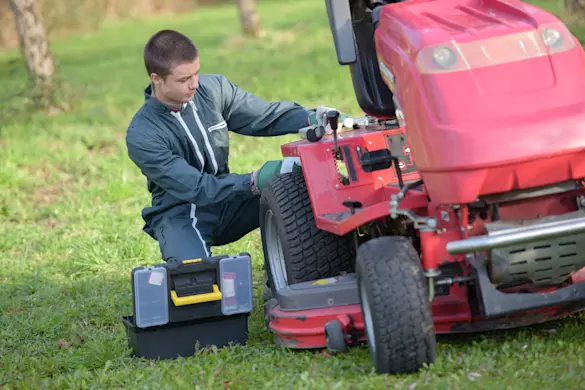
A little routine maintenance goes a long way when it comes to keeping your riding mower in top shape. Regular upkeep helps your mower start easier, run smoother, cut more evenly, and last longer, season after season. Lawn tractors and riding mowers have different maintenance needs depending on the time of year. This checklist breaks it down into start-of-season, mid-season, and end-of-season tasks so you can stay ahead of wear and tear and avoid surprise breakdowns in the middle of mowing season.
Start-of-season maintenance: Get ready to mow
Before you fire up your riding mower for the first mow of the year, give it a full checkup. After sitting through the off-season, your mower needs a little attention to prevent early-season breakdowns. Here’s what to inspect, clean, or replace before the mowing season kicks into gear:
Check and change the engine oil. Old oil can thicken or degrade while sitting. Drain it and refill with fresh oil recommended for your engine.
Replace the spark plug if needed. If your mower was hard to start last year or you see corrosion on the plug, it’s time for a new one.
Clean or replace the air filter. A clean filter keeps dirt out of the engine and helps it run more efficiently.
Check the fuel system. Empty out old fuel left in the tank, inspect fuel lines for cracks, and refill with fresh gas.
Sharpen or replace the mower blades. Dull blades tear grass instead of cutting it cleanly. Sharpen if they’re still in good shape, or swap them out if they’re nicked or worn.
Inspect and replace belts if cracked or worn. Worn belts can slip or squeal under load. Look for fraying, glazing, or slack.
Charge and test the battery. Use a trickle charger if the battery has sat unused. Make sure it holds a charge before heading out.
Check tire pressure. Inflate to the recommended PSI for even cutting and better traction.
Grease all fittings according to the service manual. Lubricating moving parts reduces wear and helps your mower operate smoothly.
Clean the mower deck and check for rust or buildup. Caked-on grass or debris can block airflow and lead to uneven cuts or corrosion. Use a protective deck spray to help prevent grass clippings from sticking.
Need a little more guidance? Follow our full riding mower tune-up guide for step-by-step help.
Mid-season mower maintenance: Keep it running strong
Once mowing season is underway, it’s easy to forget about maintenance until something goes wrong. But a few quick checks between uses can keep your mower running reliably and help you avoid mid-season repairs. Here are the key tasks to stay on top of during mowing season:
Check engine oil level before each use. Low oil can cause overheating or engine damage. Top off as needed with the correct oil type.
Clean the mower deck regularly. Built-up grass under the deck can block airflow and lead to uneven cutting or rust.
Check blades for chips, cracks, or dullness. Inspect the cutting edges and replace or sharpen blades that are damaged or worn.
Tighten hardware. Vibration from mowing can loosen bolts, fasteners, and blade mounts. Give key fasteners a quick once-over.
Inspect belts and pulleys for wear or squealing. Look for cracks, fraying, or signs of slipping, and replace parts showing damage.
Clean or replace the air filter if mowing in dusty conditions. A dirty filter restricts airflow and reduces engine efficiency.
Inspect battery terminals for corrosion. Corroded terminals can cause starting problems. Clean with a wire brush if needed.
Keeping up with these quick checks can make a big difference in performance and help you finish the season without a surprise repair.
End-of-season maintenance: Prep for storage
When mowing season wraps up, a little care before storing your mower can help you avoid rust, dead batteries, and springtime startup headaches. These end-of-season tasks make winter storage safer and set you up for a smoother start next year.
Run or drain fuel or add fuel stabilizer. Old fuel can break down and clog the carburetor. If you’re storing the mower for more than 30 days, either drain the tank or add stabilizer and run the engine to circulate it.
Clean the mower thoroughly. Remove grass clippings and dirt from the deck, housing, and air intake. Built-up debris can hold moisture and cause rust.
Remove the battery and store it indoors if possible. A cold garage or shed can shorten battery life. Disconnect and store the battery in a cool, dry place.
Sharpen or replace blades. Taking care of blades now means one less job in the spring. Inspect them for nicks and wear while the mower is already out.
Store in a dry place with a breathable cover. Keep your mower out of the elements, and avoid trapping moisture under plastic tarps. Use a vented cover if possible.
Review or start a simple service log. Jot down what you’ve replaced or repaired this season. It’ll make next year’s maintenance easier to track.
For more tips on winterizing your machine the right way, check out our guide on storing your lawn tractor for winter.
Helpful parts and how-to resources
Most maintenance tasks take a few minutes and basic tools—but if your inspection turns up a worn belt, cracked blade, or weak battery, you’ll want the right replacement part on hand.
Find the right riding mower parts for your exact model, including filters, belts, blades, and batteries.
Need help with a repair? Our riding mower DIY repair hub has step-by-step instructions, diagrams, and videos to walk you through common fixes.
Stock up on mower maintenance essentials like oil, filters, spark plugs, and tune-up kits so you’re always ready when it’s time to service your mower.
A little prep now can save you time and trouble later, making every mow smoother. Keeping up with riding mower maintenance doesn’t take much time, but it makes a big difference. A few seasonal checks can help you avoid breakdowns, save money on repairs, and keep your lawn looking its best all season long. Your mower may not thank you out loud, but the smooth, even cut across your lawn will.