- Kenmore refrigerator water filters
- Whirlpool refrigerator water filters
- Samsung refrigerator water filters
- GE refrigerator water filters
- LG refrigerator water filters
- Frigidaire refrigerator water filters
- KitchenAid refrigerator water filters
- Maytag refrigerator water filters
- Kenmore Elite refrigerator water filters
- Estate refrigerator water filters
- GE Profile refrigerator water filters
- Amana refrigerator water filters
- Bosch refrigerator water filters
- Dacor refrigerator water filters
- Electrolux refrigerator water filters
Top DIY repair help
View All Repair Categories
Appliances
Lawn & Garden
Power Tools
Home Improvement
Sports & Leisure
Heating & Cooling
Fall washer maintenance checklist for heavy winter use
less than a minute readOct 20Lyle Weischwill
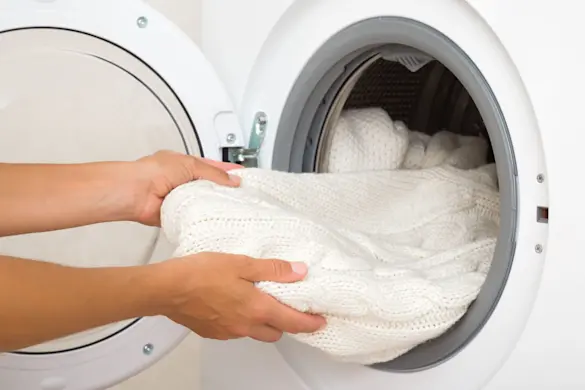
As cooler weather starts settling in, our clothing gets bulkier, thicker, and a lot heavier when wet. Winter coats, hoodies, fleece bedding, and towels can quickly put more strain on your washer’s motor, suspension, and drainage system.
That heavier seasonal laundry load makes fall the perfect time for a quick maintenance check. Catching buildup, leaks, or wear now helps prevent performance problems later, especially when cold-weather laundry becomes non-negotiable.
A thorough fall check includes cleaning the drum and detergent drawer, inspecting hoses and seals, checking for balance issues, and making sure everything drains and spins like it should. A few simple steps now help your washer stay efficient and ready for the heavier winter laundry cycle.
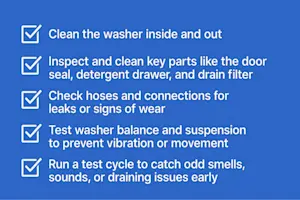
Clean the inside and outside of your washer
A clean washer smells better and runs more efficiently. It also helps prevent buildup that can affect wash quality. This is especially important before your laundry load increases with heavier winter clothing.
Clean the drum
Start by wiping down the inside of the drum with a soft cloth and warm water to remove any visible residue. Then run a cleaning cycle using a washer cleaner or hot water and vinegar, depending on what your washer model supports.
This helps remove odor-causing buildup, detergent residue, and gunk that may have collected in hard-to-see areas. After the cycle finishes, leave the lid or door open for a few hours to let the drum fully dry and discourage mildew.
If you haven’t done it in a while, this is a great time to clean the washer more thoroughly, especially if you’ve noticed musty smells or gunk around the seals or detergent drawer.
Wipe down exterior and control panel
Use a damp cloth to gently wipe down the washer’s exterior, focusing on the control panel, buttons, knobs, and touchscreen (if equipped). Don’t spray cleaners directly onto the panel; spray the cloth instead.
If your washer has been glitchy or running unusual cycles, you may want to reset the cycle memory or unplug it briefly to clear any stuck settings.
Inspect and clean key components
Even if the drum and exterior look spotless, hidden grime or debris can still cause smells, leaks, or drainage problems. Fall is the perfect time to give these problem areas a closer look.
Door seal or lid gasket
Carefully inspect the rubber door boot on front-load washers (or the gasket on a top-load) for signs of grime, trapped lint, mold, or small objects like coins or hairpins.
Wipe thoroughly with a soft cloth and diluted vinegar or washer-safe cleaner. If you spot cracks, tears, or signs of deterioration, it’s best to replace the door boot to prevent leaks and mold growth.
Detergent drawer
Pull out the detergent drawer and rinse each compartment thoroughly. Remove any detergent or softener residue, and check for signs of clogs in the siphon or dispenser holes. Use a small brush or cotton swab if buildup is heavy.
A clogged drawer can restrict detergent flow and contribute to washer leaking, especially in colder months when thickened detergent is more prone to gumming up.
Drain pump filter (if applicable)
If your front-load washer has a pump filter access door, open it and gently remove the filter. Clean out lint, coins, or other debris that may block drainage. For washers without an access door, follow these drain pump filter cleaning steps.
A clogged pump filter is a common cause of a washer that won’t drain, and it's especially helpful to clean it before heavy winter loads put extra stress on your machine.
Check hoses and connections
Cold weather can expose weak spots in your washer’s water lines, especially if the hoses haven’t been replaced in a while. Catching signs of damage now can help prevent leaks or bursts when the laundry load increases.
Inspect both the hot and cold water hoses at the back of the washer:
Look for cracks, bulges, or corrosion along the hose body.
Tighten any loose fittings where the hoses connect to the washer and supply valves.
If the hoses feel brittle or show signs of wear, consider replacing them with durable braided hoses for added protection.
Damaged or clogged hoses can reduce flow, which may cause the washer to fill slowly or not fill at all.
Test washer balance and suspension
An unbalanced washer can lead to loud spin cycles, premature part wear, and damage to nearby walls or flooring. Fall is a smart time to check the washer’s leveling and suspension before heavier loads become more frequent.
Start by checking the washer’s position:
Place a level across the top from front to back and side to side.
Adjust the leveling feet as needed to eliminate any tilt or wobble.
Press down gently on each corner; if it rocks, one or more feet may be uneven or loose.
Next, pay attention to what happens during a spin cycle:
If you hear thumping or banging, or the washer starts walking across the floor, it could mean worn shock absorbers or suspension springs.
You might also see the tub bouncing more than normal after a cycle ends.
These issues often cause excessive vibration during the spin cycle and can signal it’s time for a suspension check, or even a part replacement.
Run a test cycle
Once cleaning and inspection are done, run a full test cycle to make sure everything’s working as it should. This step helps catch any lingering issues before winter laundry loads start piling up.
Observe closely during the cycle:
Leaks: Check around the door seal, hose connections, and detergent drawer as the washer fills and drains.
Odors: A lingering smell could mean buildup in the drain system or residual detergent that needs flushing out.
Unusual sounds: Clicking, grinding, or loud thumping may point to loose parts or suspension issues.
Also confirm that the door or lid locks securely at the start of the cycle and unlocks properly at the end. The drum should spin smoothly, and water should drain completely before the final spin begins.
Running a quick cycle now can help prevent mid-winter surprises later.
Stay ahead of winter washer problems
Fall maintenance isn’t just about getting your washer ready for today. It’s about making sure it can handle the extra demands of winter. From bulkier laundry loads to longer dry times, colder weather puts your washer to the test. A quick tune-up now helps you avoid inconvenient breakdowns later.
You can create a free account to store your model number for faster access to compatible parts, manuals, and troubleshooting resources throughout the season.
If something seems off during your checkup, explore our washer parts or head to our DIY washer repair help section for guides and solutions that can keep your washer running strong through the cold months ahead.