 Owner’s manual
 Error Codes
What is the average lifespan of a 50-gallon hot water heater?
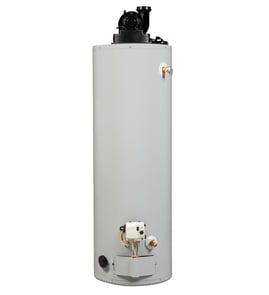
Most 50-gallon residential tank-style water heaters, including the GE GG50T06AVH00 gas water heater, typically last 8 to 12 years. Regular maintenance (especially flushing sediment and checking safety components) helps you reach the upper end of that range; see the owner's manual for model-specific care steps.
Typical lifespan and what changes it
A water heater’s service life depends heavily on water quality, usage, and maintenance.
- Hard water and sediment shorten tank life by insulating heat transfer and overheating components
- High temperature settings increase stress on the tank and parts
- Infrequent maintenance allows sediment buildup and corrosion to accelerate
- Venting and combustion issues can cause poor performance and premature wear on gas components
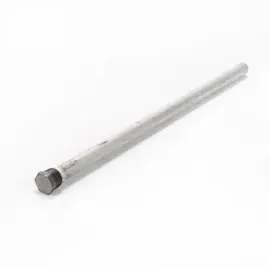
- A working anode rod helps protect the tank from corrosion (when equipped)
Maintenance that helps a gas tank last longer
The GE manual recommends routine preventative maintenance and periodic inspection by qualified service personnel for gas components.
- Lift and release the temperature and pressure (T&P) relief valve lever at least yearly to confirm it operates freely
- Flush several gallons through the discharge line to an open drain when testing the T&P valve
- Watch for periodic T&P discharge, which can indicate thermal expansion in a closed system
- Have a qualified technician inspect the gas control (thermostat), burner, flue-way, and venting periodically
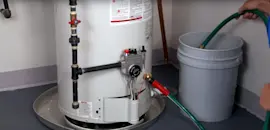
- Reduce sediment by draining some water from the tank on a routine schedule (especially with hard water)
Replace or repair: quick decision guide
| What you notice | What it usually means | Typical next step |
|---|---|---|
| Rusty water or tank seepage | Internal tank corrosion | Plan for replacement |
| Rumbling or popping | Heavy sediment buildup | Flush tank; evaluate condition |
| Not enough hot water | Burner/thermostat/sediment issue | Diagnose and repair |
| T&P valve dripping | Thermal expansion or valve issue | Correct cause; replace valve if needed |
Why it matters
Once a tank-style water heater reaches the end of its typical 8 to 12-year lifespan, the risk of internal corrosion and leakage rises. Staying on top of inspections and sediment control helps protect your home and keeps hot water performance steady.
For replacement parts and diagrams for GE GG50T06AVH00, start with the model parts list; you can also search by model number on Sears PartsDirect.
Last updated: February 2026
What is the typical cost to replace a 50-gallon water heater?
Replacing a 50-gallon water heater typically runs about $1,200 to $3,500 installed for most homes; gas units like the GE GG50T06AVH00 often land toward the higher end because venting, gas piping, and safety checks add labor. Costs rise most when venting or location changes.
What drives the price up or down
- Fuel type: gas installs usually cost more than electric due to venting and combustion setup
- Venting work: new vent pipe, chimney liner, power vent conversion, or code upgrades
- Gas line changes: resizing, new shutoff, sediment trap, or relocating the line
- Water piping updates: new shutoff valve, expansion tank, dielectric unions, or rework for corrosion
- Access and location: attic, crawlspace, tight closet, or long carry distances
- Permits and disposal: local permit fees and hauling the old tank
Typical cost ranges (installed)
| Scenario | Typical total cost | What it usually includes |
|---|---|---|
| Straight swap, easy access | $1,200 to $2,200 | Remove old tank, set new 50-gallon, reconnect water and gas, basic startup |
| Average replacement with minor updates | $1,800 to $3,000 | Small vent or piping updates, new shutoffs, minor code items |
| Complex replacement | $2,800 to $3,500+ | Venting changes, relocation, significant gas or water line rework |
Model-specific notes for GE GG50T06AVH00
Our GE GG50T06AVH00 is a gas residential water heater; the owner's manual emphasizes following local codes and gas safety practices, and it cautions against DIY repair of gas controls, burners, vent connectors, and other safety devices. That is why labor and safety verification are a meaningful part of the installed price.
Why it matters
A low quote can mean corners were cut on venting, combustion air, or safety devices. A properly installed gas water heater protects against flame rollout, poor draft, and carbon monoxide risk, and it helps the heater run efficiently.
Parts and documentation to have ready
- Model and serial number from the rating plate
- Gas type (natural gas or LP) listed on the rating plate
- Photos of the venting and the top connections
- Any symptoms that prompted replacement (leaks, no hot water, pilot issues)
If you need to identify replacement parts or confirm what your installer should reference, start with the parts list for GG50T06AVH00 and search by model on Sears PartsDirect.
Last updated: February 2026
How do I find the model number on my GG50T06AVH00?
Your GE gas water heater’s model number (GG50T06AVH00) is printed on the rating plate label attached to the water heater jacket. Use that exact model number when looking up parts, manuals, and service information in the [owner's manual].
Where to look on the water heater
The rating plate is a label on the outside of the tank (the jacket). On most GE units like GG50T06AVH00, it’s easy to spot once you know what to look for.
- Check the side of the tank near the gas control valve area
- Look around the lower front portion of the jacket near the burner access door
- Use a flashlight; the print can be small
- Write down both the model number and the serial number
- Take a clear photo of the label for future reference
What to record (and why)
The manual directs you to write the model and serial numbers from the label so you have them when ordering replacement parts or requesting service.
| Item to copy | Where it appears | Why it matters |
|---|---|---|
| Model number | Rating plate on the jacket | Ensures correct parts list and documentation |
| Serial number | Rating plate on the jacket | Helps identify production details for service |
| Gas type (natural or LP) | Rating plate on the jacket | Prevents ordering the wrong gas-specific components |
Why it matters
Many water heater parts and service procedures are model-specific and gas-type-specific. Using the exact model number and the gas type from the rating plate helps prevent mismatched parts and unsafe installation.
Last updated: March 2026