- Kenmore refrigerator water filters
- Whirlpool refrigerator water filters
- Samsung refrigerator water filters
- GE refrigerator water filters
- LG refrigerator water filters
- Frigidaire refrigerator water filters
- KitchenAid refrigerator water filters
- Maytag refrigerator water filters
- Kenmore Elite refrigerator water filters
- Estate refrigerator water filters
- GE Profile refrigerator water filters
- Amana refrigerator water filters
- Bosch refrigerator water filters
- Dacor refrigerator water filters
- Electrolux refrigerator water filters
Top DIY repair help
View All Repair Categories
Appliances
Lawn & Garden
Power Tools
Home Improvement
Sports & Leisure
Heating & Cooling
A chilly mystery: Why your freezer works but the fridge doesn’t
less than a minute readJun 18Wayne Archer
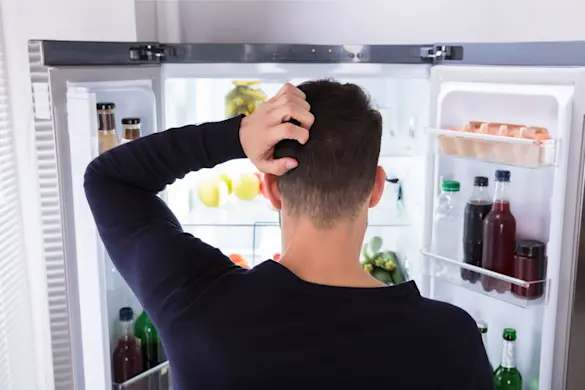
Your freezer’s cranking out ice cubes like a champ, but the milk in the fridge? Not so lucky.
If you’re wondering why is my fridge warm but freezer cold, you’re not alone. It’s a common (and one of the most confusing) refrigerator issues. The good news? It’s usually something simple that’s easy to fix; not your entire refrigerator having a meltdown.
In many cases, it’s a problem with airflow. Cold air from the freezer isn’t making it to the fridge due to a blocked vent, a stuck diffuser, or a fan that’s gone quiet. Sometimes it’s a defrost issue, or a misreading temperature sensor throwing things off.
Whatever the cause, our refrigerator repair help page has the tools, guides, and troubleshooting tips to help you cool things down again.
Let’s dig into the most common causes, and how to get your fridge back to proper chill.
Understanding how your fridge and freezer share the cold
Your refrigerator and freezer may seem like separate zones, but behind the scenes, they’re part of the same cooling system. In most models, the freezer does the heavy lifting: it generates the cold air and then shares it with the fridge compartment through vents and fans.
That cool air flows through a damper or diffuser, often with help from an evaporator fan. The fridge relies on this steady stream to stay at a safe, chilly temperature. When everything’s working properly, it’s a quiet, seamless process.
But if something interrupts the airflow - like a stuck damper, failed fan, or blocked vent - the freezer keeps doing its job while the fridge slowly warms up. That’s why airflow issues are one of the first things to check when the freezer’s cold but the fridge isn’t.
Understanding this shared cooling setup sets the stage for smart troubleshooting, and a straightforward fix.
Common reasons your fridge is warm but the freezer is cold
When your fridge isn’t pulling its weight but the freezer’s doing fine, it’s usually a clue that something’s blocking or misdirecting airflow. Here are some of the most common culprits to check.
1. Blocked or frosted-over air vents
Cold air needs a clear path from the freezer into the fridge compartment. If those vents get blocked by food, or frosted over due to humidity, the airflow slows way down or stops entirely.
You might notice weak airflow, warm spots in the fridge, or temperatures that fluctuate no matter how you set the dial. Start by checking the vents for obstructions, and if you see frost buildup, unplug the fridge and let it defrost completely before restarting.
2. Broken diffuser
The diffuser controls how much cold air flows from the freezer into the fridge. When it’s working, it opens and closes to keep the temperature just right. But if it’s stuck shut or no longer responding to the thermostat, the fridge can warm up quickly even while the freezer stays icy.
If the airflow feels weak, or you don’t hear the diffuser motor running at all, it might be time to replace the diffuser.
3. Faulty evaporator fan
This fan pulls cold air from the evaporator coils in the freezer and pushes it into the fridge. If it stops spinning - or runs slowly or noisily - the cold air doesn’t move where it’s needed.
You can often hear the fan kick on when the fridge door closes. If it’s silent (or starts to squeal), that’s a red flag. Some fans are visible from inside the freezer, while others are tucked behind a panel.
If you suspect the fan is the issue, it may be time to swap it out. Check out our repair guides for help replacing the evaporator fan in a side-by-side refrigerator or evaporator fan motor in a top-freezer refrigerator.
4. Defrost system failure
If the defrost system isn’t working properly, frost and ice can build up on the evaporator coils, blocking airflow and leaving the fridge starved for cold air. Over time, this ice chokes off the system even if the fan and vents are fine.
The issue could be with the defrost heater, timer, or a temperature sensor. If your freezer has a thick sheet of ice at the back or the fridge compartment keeps warming up after each defrost cycle, this might be the culprit.
You can manually defrost the unit for short-term relief, but you'll probably be better off troubleshooting the defrost system problem to pinpoint what’s failing.
5. Temperature control problems or sensor issues
If the control board or thermistor misreads the temperature in the fridge, it may shut off cooling too early thinking everything’s already cold when it isn’t. That leaves your milk sweating while the freezer stays rock solid.
These issues can be trickier to spot, but a fridge that won’t cool even after vents are cleared and fans are running might need further diagnosis. A digital thermometer in the fridge can help confirm whether the internal reading matches what you’re seeing on the display.
Quick DIY checks
If your fridge is warming up but the freezer’s still doing its job, there’s a good chance you can identify the issue yourself - no need to grab the toolbox just yet. These quick checks can help you zero in on what’s working, what’s not, and whether you’re dealing with a simple fix or something that needs a deeper repair.
1. Check the vents and airflow
Start by opening the fridge and freezer compartments and feeling for cold air flow between them. If the vents in the fridge are blocked by food, ice, or debris, cold air can’t circulate properly. Make sure nothing is pressed up against the back wall and that vents are clear.
2. Listen for the evaporator fan
Open the freezer and listen carefully. The evaporator fan (which circulates cold air) should kick on after a minute or two. If it’s silent or if you hear a loud hum, clicking, or grinding, that could point to a problem with the fan motor.
3. Watch the diffuser
The air diffuser is usually located on the back wall of the fridge compartment. It opens and closes to control how much cold air flows in from the freezer. With the door open and the fridge running, you may be able to hear or feel it move. If nothing’s happening and the fridge still feels warm, the diffuser could be stuck shut.
For a deeper walkthrough, check out our full troubleshooting guide for a refrigerator that’s not cooling. It includes a video and tips for testing airflow, inspecting common failure points, and identifying issues with the diffuser or fan.
Still stuck? Let’s fix it together
You’ve already done the hard part; figuring out what’s wrong. Now it’s time to solve it. From DIY repair guides to detailed part diagrams and OEM replacements that fit your model, our refrigerator repair help section is ready when you are.
Your fridge doesn’t have to keep you guessing. We’ll help you get it cooling again.