- Kenmore refrigerator water filters
- Whirlpool refrigerator water filters
- Samsung refrigerator water filters
- GE refrigerator water filters
- LG refrigerator water filters
- Frigidaire refrigerator water filters
- KitchenAid refrigerator water filters
- Maytag refrigerator water filters
- Kenmore Elite refrigerator water filters
- Estate refrigerator water filters
- GE Profile refrigerator water filters
- Amana refrigerator water filters
- Bosch refrigerator water filters
- Dacor refrigerator water filters
- Electrolux refrigerator water filters
Top DIY repair help
View All Repair Categories
Appliances
Lawn & Garden
Power Tools
Home Improvement
Sports & Leisure
Heating & Cooling
5 tips to keep freezer food fresh and organized
less than a minute readAug 08Kim Hillegass
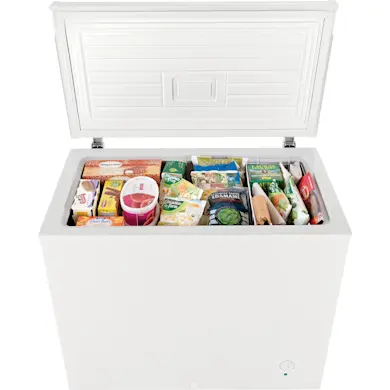
An organized freezer is more than a convenience. It helps prevent food waste, saves money, and keeps frozen items tasting their best for as long as possible. When everything has a place and is clearly labeled, you spend less time searching and more time cooking. You will also be less likely to lose track of older items that end up with freezer burn or past their best quality.
Knowing exactly what you have and when it was frozen makes meal planning faster and easier. It also means you can rotate foods before their quality starts to decline, making the most of every grocery trip and keeping your freezer working efficiently.
Best way to store food in the freezer
The key to keeping frozen food fresh and easy to find is creating a system that works for both your space and your habits. A few simple storage strategies can help you fit more in, prevent forgotten items from getting buried, and make sure everything stays at peak quality until you are ready to use it.
Use space-efficient containers
Rectangular or square containers stack neatly and use less space than round ones. For liquids like soup or broth, freeze them flat in freezer bags before stacking. This not only saves room but also makes it easier to grab exactly what you need without rearranging everything.
Label everything
Clear labels save time and prevent mystery meals. Mark each container or bag with the contents and the date it went into the freezer. Place labels where they’re visible without having to move other items, so you can spot what you need at a glance.
Group by category
Give each food type its own space in the freezer. Dedicate one shelf or bin for meats, another for vegetables, one for fruits, and so on. This makes it faster to find what you want and reduces the chance of things getting buried and forgotten.
Rotate older food to the front
When adding new groceries, shift older items to the front or top so they’re used first. This “first in, first out” method helps prevent food from lingering past its prime and developing freezer burn.
Keep an inventory list
Post a freezer inventory sheet or small whiteboard on the door. Update it whenever you add or remove something. It’s a quick visual reminder of what’s available and doubles as a shortcut for meal planning and grocery shopping.
Frozen food storage times: How long food stays good
Even when you follow the best way to store food in the freezer, frozen items don’t last forever. Freezing keeps food safe indefinitely if stored at 0°F, but texture and flavor can decline over time. Knowing recommended frozen food storage times helps you enjoy foods while they’re still at peak quality.
Before freezing store-bought items, check the “best by” or “use by” date on the package. This date is based on when the food was packaged, so freezing it right away helps lock in quality. For home-frozen foods, label each item with both the freezing date and a “use by” date based on the chart below. This makes it easy to rotate foods and prevent freezer burn.
The USDA provides these guidelines for how long different foods keep their best quality in the freezer:
| Food type | Best quality up to… |
|---|---|
| Raw steaks, chops | 4-12 months |
| Raw ground meat | 3-4 months |
| Cooked meat or poultry | 2-6 months |
| Raw poultry (whole) | 12 months |
| Raw poultry (parts) | 9 months |
| Soups and stews | 2-3 months |
| Bread and baked goods | 3 months |
| Fruits and vegetables | 8-12 months |
Tip: Treat these as quality guidelines rather than strict safety rules. If you’re not sure how long something has been frozen, thaw a small portion first to check taste and texture before committing to the whole batch.
Preventing freezer burn
Freezer burn happens when moisture inside the food evaporates, leaving dry, pale patches. It doesn’t make food unsafe, but it can ruin flavor and texture. Even if you follow the best way to store food in the freezer, poor packaging or fluctuating temperatures can still cause it.
Here’s how to keep frozen food tasting fresh for as long as possible:
Choose the right containers
Use airtight, freezer-safe containers or heavy-duty freezer bags. Thin plastic wrap or ordinary food bags allow air to seep in, speeding up freezer burn.
Remove excess air
Press out as much air as possible before sealing bags. For containers, leave only a small amount of headspace to allow for expansion during freezing. Vacuum sealing is one of the most effective ways to prevent freezer burn.
Freeze food quickly
The faster food freezes, the smaller the ice crystals, which helps preserve texture. Spread items out in the freezer until solid, then stack or organize them.
Avoid temperature swings
Frequent thawing and refreezing causes moisture loss and accelerates freezer burn. Keep the freezer door closed as much as possible, and store frequently used items near the front.
Label and rotate food
Following frozen food storage time guidelines and using the “first in, first out” method helps ensure you use items while they’re still at peak quality.
When your freezer isn’t keeping food frozen
If you notice frost buildup, inconsistent cooling, or your freezer isn’t running at all, it’s time to troubleshoot before your food quality suffers. These issues can often be solved with basic maintenance or a part replacement, and catching them early can save you from having to toss out a freezer full of food.
For step-by-step repair guides, troubleshooting tips, and part-finding help, visit our freezer DIY repair help page.
With a little organization and some smart labeling, you’ll always know what’s in your freezer and how long it’s been there. That means less waste, better meal planning, and a freezer that works for you, not against you.