- Kenmore refrigerator water filters
- Whirlpool refrigerator water filters
- Samsung refrigerator water filters
- GE refrigerator water filters
- LG refrigerator water filters
- Frigidaire refrigerator water filters
- KitchenAid refrigerator water filters
- Maytag refrigerator water filters
- Kenmore Elite refrigerator water filters
- Estate refrigerator water filters
- GE Profile refrigerator water filters
- Amana refrigerator water filters
- Bosch refrigerator water filters
- Dacor refrigerator water filters
- Electrolux refrigerator water filters
Top DIY repair help
View All Repair Categories
Appliances
Lawn & Garden
Power Tools
Home Improvement
Sports & Leisure
Heating & Cooling
Stainless steel vs. plastic tub: What’s better in a dishwasher?
less than a minute readMay 28Wayne Archer
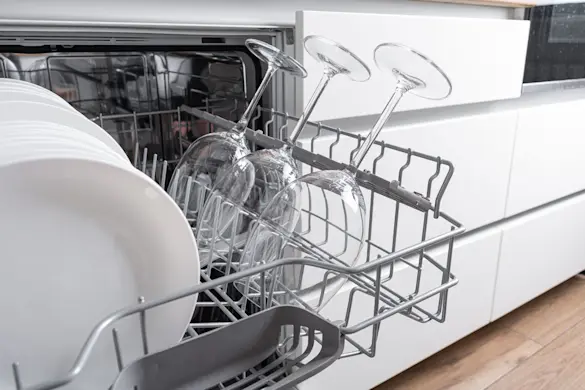
When shopping for a new dishwasher, it’s easy to get caught up in the features that sparkle—adjustable racks, third spray arms, fancy control panels. But one of the most important parts of your dishwasher is something you rarely see once the door is shut: the tub.
Specifically, what that tub is made of.
If you’ve ever found yourself comparing specs and wondering about the difference between a plastic vs stainless steel dishwasher tub, you’re not alone. It’s one of the most debated details among appliance shoppers—and for good reason. Tub material affects everything from drying performance to long-term durability and even how loud your dishwasher sounds.
Here’s the good news: both types clean your dishes just fine. The better news? We’ll walk you through the real differences between plastic and stainless tubs, how to care for each one, and how to choose the right fit for your kitchen.
Spoiler: there’s no wrong answer—just smarter shopping.
Plastic vs stainless steel dishwasher tub: Key differences
At first glance, the inside of a dishwasher might not seem like it would make or break your dishwashing dreams—but the tub material plays a bigger role than you might think. Let’s break down how plastic and stainless steel tubs compare across a few key categories.
| Feature | Plastic Tub | Stainless Steel Tub |
|---|---|---|
| Cost | More affordable; common in budget-friendly models | Typically more expensive; often found in mid- to high-end models |
| Durability | Stain- and rust-resistant, but more prone to wear and cracking over time | Highly durable, resists cracking, dents, and retains its sleek look for years |
| Noise Level | Generally louder; plastic doesn’t dampen sound well | Quieter operation; stainless absorbs sound and vibration better |
| Heat Retention | Doesn’t retain heat as well, which can affect drying performance | Excellent heat retention—helps boost drying with condensation drying systems |
| Stain Resistance | Can stain or discolor from hard water, food, or detergent | Resists staining and odors much better over time |
| Cleaning & Maintenance | Requires a little more attention to avoid buildup and discoloration | Easier to keep clean; less likely to hold onto residue or odor |
Both options have their pros. Stainless steel may feel like the fancier pick, but plastic tubs have come a long way—and many perform just as well when paired with a strong wash system and good maintenance habits.
How to care for your dishwasher tub (no matter the material)
Whether your dishwasher sports a stainless steel tub or a hardworking plastic interior, keeping it clean and well-maintained is key to performance—and odor control.
Cleaning a stainless steel dishwasher tub
Stainless steel tubs resist stains and odors, but that doesn’t mean they’re maintenance-free. Here’s how to keep them looking sharp and running clean:
Wipe down the tub with a soft cloth and mild detergent every few weeks to remove hard water spots and detergent film.
Use a dishwasher cleaner once a month to flush away mineral deposits and food residue. Products like affresh® dishwasher cleaner or Cascade® dishwasher cleaner are designed to work safely in stainless steel interiors.
Don’t use bleach. Even diluted bleach can corrode stainless steel and damage internal components.
Check for hidden buildup in crevices, corners, and around the door seal.
Tip: If your stainless tub starts to look dull, a gentle vinegar rinse (no more than once a month) can help restore shine—just make sure your dishwasher is empty and don’t mix vinegar with other cleaners.
Cleaning a plastic dishwasher tub
Plastic tubs are a little more prone to discoloration and odors, but with regular care, they’ll keep your dishes sparkling:
Run a monthly cleaning cycle using a dishwasher cleaner such as affresh® or Cascade® to help break down grease, mineral buildup, and lingering odors.
Use baking soda to deodorize—sprinkle a cup in the bottom and run a short hot cycle.
Watch out for stains from tomato sauce, coffee, or tea. If you see discoloration, try scrubbing gently with a baking soda paste.
Avoid harsh scrubbing pads, which can scratch the plastic and make it more likely to hold onto odors.
Tip: Leave the dishwasher door cracked open between cycles to prevent moisture buildup and mildew.
Both tub types benefit from using a rinse aid, soft water if available, and a regular cleaning routine. Your dishwasher works hard—give it a little TLC, and it’ll keep handling the dirty work for years.
How to choose: Plastic vs stainless steel dishwasher tub
So which tub is the right fit? It really comes down to your priorities—and your budget. Here’s how to think through the decision:
Choose a stainless steel tub if you want:
Quieter operation – The thicker walls and dense material help muffle water spray and motor noise.
Improved energy efficiency – Stainless holds heat better, which can help during drying cycles.
A sleek, premium look – If aesthetics matter, stainless interiors just feel fancier.
A longer-lasting investment – With proper care, stainless steel tubs often outlast their plastic counterparts.
Choose a plastic tub if you want:
Affordability – Plastic-tub dishwashers typically cost less upfront.
Solid performance at a lower price – Many mid-range and budget models use plastic and clean just as effectively.
Stain resistance to rust – Plastic doesn’t rust, so if you’ve got hard water or occasionally use bleach, it’s more forgiving.
Lighter weight – Plastic tubs help reduce the overall appliance weight, which might matter for certain installations.
The truth is, both types will get your dishes clean. The choice depends on what features matter most to you—noise level, price, drying performance, or durability.
And remember: No matter which tub material you pick, regular maintenance and smart use (like loading properly and using the right detergent) matter more than the tub itself when it comes to cleaning power.
Frequently asked questions
Q: Is a stainless steel dishwasher tub worth the extra cost?
A: It can be—especially if you value quiet operation, better drying performance, or long-term durability. But if you’re on a budget, a plastic tub will still get your dishes clean and may offer more features for the price.
Q: Do stainless steel tubs rust?
A: Not under normal use. Stainless steel is resistant to rust and corrosion, but harsh chemicals or scratches can occasionally lead to rust spots. Stick to dishwasher-safe cleaners and avoid using bleach.
Q: Are plastic tubs harder to keep clean?
A: Not necessarily, but they can stain or hold onto odors over time. Regular cleaning helps—especially if you have hard water or run a lot of heavily soiled loads.
Q: Which tub type is better for drying dishes?
A: Stainless steel tubs generally dry better because they retain heat longer, which helps moisture evaporate during the drying cycle. Some plastic-tub models compensate with extra drying tech like heated drying or fan-assisted vents.
Q: Does tub material affect cleaning performance?
A: Nope! Cleaning power comes from the spray arms, water temperature, and detergent—not the tub itself. Focus on features like wash cycles and spray coverage when evaluating performance.
When it comes to the great plastic vs stainless steel dishwasher tub debate, the real answer is: it depends on what matters most to you. Want quieter cycles, better drying, and a premium look? Stainless steel might be your thing. Looking to save money and still get sparkling dishes? Plastic tubs hold their own just fine.
No matter which type you choose, regular cleaning and maintenance go a long way in keeping your dishwasher running like a champ. And if you ever run into odd noises, leaks, or cleaning problems, we’ve got you covered—check out our other dishwasher tips, troubleshooting, and repair guides for step-by-step help.
Because in the end, it’s not about the tub; it’s about clean dishes, done right.