- Kenmore refrigerator water filters
- Whirlpool refrigerator water filters
- Samsung refrigerator water filters
- GE refrigerator water filters
- LG refrigerator water filters
- Frigidaire refrigerator water filters
- KitchenAid refrigerator water filters
- Maytag refrigerator water filters
- Kenmore Elite refrigerator water filters
- Estate refrigerator water filters
- GE Profile refrigerator water filters
- Amana refrigerator water filters
- Bosch refrigerator water filters
- Dacor refrigerator water filters
- Electrolux refrigerator water filters
Top DIY repair help
View All Repair Categories
Appliances
Lawn & Garden
Power Tools
Home Improvement
Sports & Leisure
Heating & Cooling
How to clean a water heater thermocouple
less than a minute readAug 15Kim Hillegass
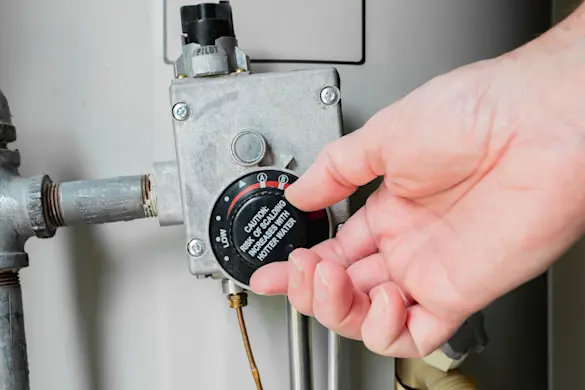
If your water heater pilot light won’t stay lit or the burner keeps cutting out, the problem could be as simple as a dirty thermocouple. This small but important part detects the pilot flame and tells the gas valve it’s safe to stay open. When it gets coated with soot or debris, it can stop working correctly, which means your water heater stops working too.
Cleaning the thermocouple is an easy DIY fix. With a wrench, fine sandpaper or a soft brush, and about 30 minutes, you can get your hot water flowing again.
What is a thermocouple?
The thermocouple acts as a safety sensor. When your water heater pilot light is burning properly, it heats the thermocouple, which sends a tiny electrical signal to the gas control valve. That signal keeps the gas flowing to the burner.
If the pilot light goes out, the thermocouple cools down and the signal stops. The gas valve closes, cutting off gas to prevent leaks.
Over time, the tip of the thermocouple can get dirty or corroded, especially if the pilot flame is weak or if dust builds up around the burner. That buildup is like insulation, preventing the thermocouple from sensing the flame and shutting down the system even if nothing’s really wrong.
How to clean a water heater thermocouple
You don’t need to take apart your entire water heater to clean the thermocouple, but you will need to access the burner assembly. Cleaning away the buildup helps keep your pilot light lit, and it's a relatively easy fix.
Tools and supplies you'll need
Adjustable wrench or screwdriver (to remove the burner assembly)
Fine-grit sandpaper or steel wool
Soft cloth or paper towels
Vacuum or compressed air (optional for cleaning dust)
Step-by-step cleaning
1. Turn off the gas supply
Shut off the gas valve to your water heater and allow the unit to cool completely before working.
2. Remove the access panel and burner assembly
Follow your manufacturer’s instructions to remove the burner cover and carefully loosen the thermocouple and pilot tube from the gas control valve using a wrench.
3. Identify the thermocouple
It’s the thin copper tube attached near the pilot light. It usually pulls out along with the burner assembly.
4. Gently clean the tip
Use fine sandpaper, steel wool, or an emery cloth to clean the soot and buildup off the tip. Be careful not to bend or damage the thermocouple.
5. Wipe it down
Finish with a soft cloth or paper towel to remove dust or grit.
6. Reinstall the burner assembly
Reconnect the thermocouple and pilot tube to the gas valve, making sure everything is snug (but not over-tightened).
7. Turn the gas back on and relight the pilot
Follow your water heater’s lighting instructions. Watch the pilot light and burner to confirm they stay lit and burn with a strong, blue flame.
How often should you clean the thermocouple?
Once a year is a good starting point for most households. If your water heater is in a dusty area, or if you’ve had problems with the pilot light going out, consider cleaning it more frequently.
You should also clean it any time you:
Notice a yellow or weak flame
Smell gas (shut everything down and check for leaks first)
Have to relight the pilot more than once in a short time
Tips for keeping the thermocouple clean
A clean thermocouple works best when the surrounding area stays clean, too. Simple preventive habits can go a long way in keeping your water heater running smoothly and reducing the need for frequent fixes.
Keep the area around your water heater clean and free of dust
Don’t store paint cans, cleaners, or anything flammable nearby
Make sure the pilot flame is steady and blue
Check the burner assembly for dust, rust, or other buildup during seasonal maintenance
Cleaning a water heater thermocouple is a quick, simple way to solve some of the most common pilot light problems, and you don’t need a pro to do it. A little regular care helps your water heater run more efficiently and last longer.
If your water heater still isn’t working after cleaning the thermocouple, you might need to replace the part or check for other issues like a faulty gas valve or worn-out pilot assembly. We’ll help you find the right water heater parts and DIY repair guides to get the job done.