- Kenmore refrigerator water filters
- Whirlpool refrigerator water filters
- Samsung refrigerator water filters
- GE refrigerator water filters
- LG refrigerator water filters
- Frigidaire refrigerator water filters
- KitchenAid refrigerator water filters
- Maytag refrigerator water filters
- Kenmore Elite refrigerator water filters
- Estate refrigerator water filters
- GE Profile refrigerator water filters
- Amana refrigerator water filters
- Bosch refrigerator water filters
- Dacor refrigerator water filters
- Electrolux refrigerator water filters
Top DIY repair help
View All Repair Categories
Appliances
Lawn & Garden
Power Tools
Home Improvement
Sports & Leisure
Heating & Cooling
How hot weather affects refrigerator performance (and what to do about it)
less than a minute readJun 25Kim Hillegass
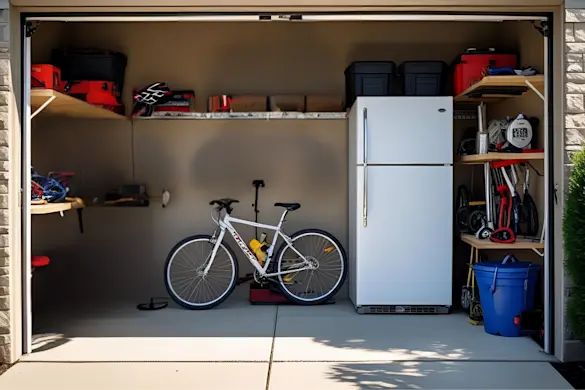
Is your orange juice sweating? Ice cream turning to slush? It might not be your imagination - or your fridge giving up. It could just be the heat.
Does hot weather affect refrigerator performance? Yes, and when temperatures rise, your fridge has to work overtime to keep things cool. That’s especially true for garage refrigerators, which often sit in spaces without air conditioning or insulation.
The good news? You can help your fridge keep its cool with a few easy adjustments. We’ll walk you through why heat affects cooling, how to spot signs of trouble, and what to do if your fridge starts falling behind. Need immediate help? Start with our DIY refrigerator repair help page for repair guides, troubleshooting tips, and parts.
Why hot weather makes your fridge work harder
Your refrigerator isn’t just cooling your food; it’s constantly pushing heat out. When the air around it heats up, that job gets a lot tougher.
Most refrigerators are designed to operate in ambient temperatures between about 60°F and 90°F. Once the surrounding air gets hotter than that, the compressor has to run longer and more frequently to maintain safe internal temperatures. In extreme heat, it may struggle to keep up entirely, especially if it’s an older unit or placed in a poorly ventilated space.
You might notice the fridge compartment getting warmer than usual, or the freezer struggling to maintain a consistent chill. When the compressor is constantly running, the fan motors work harder too, and both components can wear out faster in high temperatures. That means more strain on your fridge and a higher risk of breakdowns.
In the meantime, your food is the first to suffer. Warm spots, thawed frozen goods, and inconsistent temps can all lead to faster spoilage. And in a garage with no AC or insulation, that risk only increases.
Understanding this strain is the first step toward protecting both your food and your refrigerator.
Garage refrigerator? You’ve got extra challenges
If your fridge lives in the garage, summer heat doesn’t just make it work harder - it can push it to the edge of its design limits.
Garages often lack insulation, ventilation, and climate control. That means temperatures can swing from chilly in the early morning to sweltering by mid-afternoon. During a heatwave, it’s not unusual for garage temps to climb well past 100°F. Most standard refrigerators aren’t built for that kind of environment.
Unless your fridge is specifically rated for garage use, extreme heat can overwhelm it. The compressor may run constantly without keeping up, the interior may stay too warm, and your freezer could start softening around the edges. You might notice sweating on the outside of the fridge, warm drinks even on the coldest setting, or frozen food that’s not so frozen anymore.
Budget models or older units are especially vulnerable. They often lack the insulation or responsive temperature control needed to handle hot and variable conditions.
How to help your refrigerator keep its cool
If your fridge is struggling in the summer heat, especially out in the garage, there are a few simple steps that can make a big difference.
Start by checking its placement. Make sure the refrigerator isn’t sitting in direct sunlight or too close to heat sources like a water heater or dryer. The cooler the surrounding air, the easier it is for the fridge to do its job.
Next, give it room to breathe. Refrigerators need airflow around the back and sides to dissipate heat from the condenser coils. Pull it a few inches away from the wall and clear out any clutter that might be blocking ventilation.
Dusty coils make the fridge work overtime, especially in a warm garage. Clean and vacuum the condenser coils (typically behind or beneath the unit) every few months to keep airflow strong and heat transfer efficient. While you’re at it, check the door seals to make sure they’re clean and forming a tight seal (no warm air sneaking in). Replace the door seals if they're damaged.
Keeping your fridge reasonably full also helps. Food and drinks retain cold better than empty air, so a well-stocked fridge stays more stable when the door opens or the room heats up.
And if your garage gets especially hot, you might consider installing a small fan to improve airflow or adding ventilation to help move hot air out. Even a little extra breeze can ease the load on your fridge and keep things cool inside.
When it’s time to upgrade or repair
If your refrigerator runs nonstop, struggles to stay cold, or drips with condensation even after you’ve tried the usual tricks, it may be more than just the summer heat - it could be time for a repair or an upgrade.
Excessive compressor cycling, weak cooling, or sweating around the doors and frame often point to mechanical issues like worn-out seals, dirty coils, or failing fans. These problems tend to get worse when temperatures rise, especially in garages or poorly ventilated spaces. It’s a good idea to troubleshoot refrigerator-not-cooling issues before they turn into bigger repair headaches.
If your fridge is older or wasn’t designed for harsh environments, you might be fighting a losing battle. In that case, a garage-ready refrigerator built to handle extreme hot or cold might be a better fit.
Not sure if it's the weather causing the issue? Start with our DIY refrigerator repair help page. You’ll find troubleshooting tips, repair guides, and replacement parts to help keep your fridge running strong, whether it’s in your kitchen or your garage.
Hot weather and refrigerator problems go hand in hand, especially if your fridge is in a hot garage or tucked next to a sunny window. Rising temps make the compressor work harder, wear out parts faster, and raise the risk of food spoilage. But with regular maintenance, smart placement, and a little airflow help, your fridge can stay cool all summer long. A little attention now can save your snacks (and your sanity) later.