- Kenmore refrigerator water filters
- Whirlpool refrigerator water filters
- Samsung refrigerator water filters
- GE refrigerator water filters
- LG refrigerator water filters
- Frigidaire refrigerator water filters
- KitchenAid refrigerator water filters
- Maytag refrigerator water filters
- Kenmore Elite refrigerator water filters
- Estate refrigerator water filters
- GE Profile refrigerator water filters
- Amana refrigerator water filters
- Bosch refrigerator water filters
- Dacor refrigerator water filters
- Electrolux refrigerator water filters
Top DIY repair help
View All Repair Categories
Appliances
Lawn & Garden
Power Tools
Home Improvement
Sports & Leisure
Heating & Cooling
Can you use liquid dish soap in a dishwasher?
less than a minute readAug 27Kim Hillegass
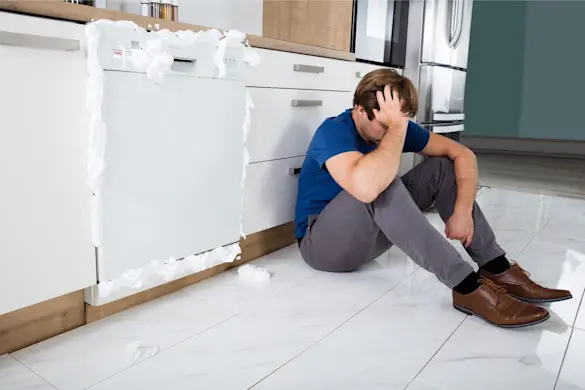
We’ve all faced it: the dishwasher is loaded, the door is shut, and only then do you notice the detergent box is empty. That bottle of liquid dish soap by the sink looks tempting. After all, it gets plates clean in the sink, so why not in the dishwasher?
The problem is that liquid dish soap foams far too much for a dishwasher. A small squirt can create a mountain of bubbles that spills onto your floor and leaves residue all over your dishes. Beyond the mess, using the wrong soap can also be rough on the appliance itself.
If you’ve already tried it by mistake, don’t panic. There’s a simple way to fix the situation. And if you haven’t, knowing why dish soap doesn’t belong in the dishwasher can save you from a sudsy cleanup.
Why you shouldn’t use liquid dish soap in a dishwasher
Excessive suds
Dishwashers are designed for low-sudsing detergents. Regular dish soap creates foam that builds up quickly, leading to overflows that can leak onto the floor and even seep into areas of the machine not meant to handle soap.
Risk to the dishwasher
The thick lather can push food particles and soap residue into the filter, pump, or drain hose. Over time, this buildup can cause clogs, reduce water flow, and strain the motor, shortening the appliance’s lifespan.
Residue on dishes
Too many bubbles mean the rinse cycle can’t clear everything away. You may end up with cloudy glasses, streaky plates, or even a thin film of soap left behind. That residue isn’t just unsightly; it’s not something you want on surfaces that touch food.
What to do if you accidentally use dish soap
Stop the cycle immediately
Open the dishwasher and cancel the wash cycle as soon as you notice excessive suds forming.
Clean up suds
Use towels to soak up any foam that has spilled onto the floor. Inside the tub, scoop out suds by hand or with a cup. For heavy overflow, a wet/dry vacuum can speed things up.
Break down leftover foam
Pour about ¼ cup of vegetable oil into the bottom of the tub. The oil helps collapse the bubbles so they drain more easily.
Caution: don’t add more than ¼ cup, since excess oil can leave a greasy film on dishes.
Rinse and reset
Remove the dishes and rinse them off in the sink. Wipe down the dishwasher tub to clear as much soap as possible, then run a rinse-only cycle with no detergent. Add a cup of white vinegar to the bottom of the tub before starting the rinse; vinegar helps cut any leftover suds and removes residue. Repeat if needed.
Check filter and drain
Take out the lower rack and inspect the filter area. If soap scum has built up there, clean it thoroughly with warm water. Make sure the drain opening is clear so the next cycle runs normally. If residue is left behind, future wash cycles may foam again even with proper detergent.
Are there safe alternatives to dishwasher detergent?
The short answer is no. Liquid dish soap, laundry detergent, and other household cleaners should never go in your dishwasher. They create excessive suds, leave behind residue, and can damage the machine.
If you find yourself out of dishwasher detergent, your only safe choices are:
Buy dishwasher detergent. Whether pods, powder, or gel, this is the only option if using the dishwasher is a priority.
Hand wash dishes. This is your fallback, until you can restock.
Some DIY mixes may be suggested online, but they don’t clean as effectively and won’t protect your dishwasher the way real detergent does. They’re best avoided for anything beyond a true emergency, and even then, handwashing is the safer option.
How to prevent future detergent emergencies
Stock up ahead of time. Buy extra pods or bottles.
Store properly. Keep detergent in a cool, dry place away from moisture to avoid clumping.
Add it to a recurring shopping list. That way, you never run out unexpectedly.
Liquid dish soap belongs in the sink, not the dishwasher. Using the right detergent is the easiest way to keep your dishes sparkling clean and your dishwasher running smoothly. If you’re having trouble with your machine beyond detergent issues, our DIY dishwasher repair help section has troubleshooting tips and step-by-step guides. A little planning ahead means no messy suds or surprise shortages when it’s time to run a load.