- Kenmore refrigerator water filters
- Whirlpool refrigerator water filters
- Samsung refrigerator water filters
- GE refrigerator water filters
- LG refrigerator water filters
- Frigidaire refrigerator water filters
- KitchenAid refrigerator water filters
- Maytag refrigerator water filters
- Kenmore Elite refrigerator water filters
- Estate refrigerator water filters
- GE Profile refrigerator water filters
- Amana refrigerator water filters
- Bosch refrigerator water filters
- Dacor refrigerator water filters
- Electrolux refrigerator water filters
Top DIY repair help
View All Repair Categories
Appliances
Lawn & Garden
Power Tools
Home Improvement
Sports & Leisure
Heating & Cooling
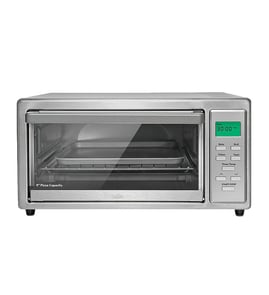
GE Toaster oven Parts — Browse All Models
Keeping your GE toaster oven working well starts with finding the right parts the first time. At Sears PartsDirect you can enter your model number into the search bar to narrow down compatible parts fast, or you can browse the full list of GE toaster oven models to see what matches your appliance. Our clear parts diagrams make it easy to identify the component you need and order the correct OEM replacement. Whether you’re refreshing a worn heating element or fixing a stubborn control, the right part helps save time and hassle.

Frequently bought GE parts
G.e. Main Control Board For Front-load Washer
Part #WH22X37840
This item is not returnable
In Stock
$259.26
$12.00 OFF Phone Price : $271.26

Qty


Drain Pump & Filter
In Stock
$220.59
Qty
Spray Arm
In Stock
$21.51
22% OFF Phone Price : $27.51
Qty
G.e. Washer Door Lock
In Stock
$71.36
8% OFF Phone Price : $77.36
Qty
G.e. Washer Drain Pump Assembly
In Stock
$54.67
10% OFF Phone Price : $60.67
Qty
G.e. Dryer Drum Belt
In Stock
$52.52
10% OFF Phone Price : $58.52
Qty
Popular maintenance items for Toaster Ovens
Terminal Block
In Stock
$11.47
15% OFF Phone Price : $13.47
Qty
Heater Tc Rear Asm
In Stock
$414.13
Qty
Rack
Part #W10328496
Replaced by #W11171130
Manufacturer substitution
This part replaces W10328496. Substitute parts can look different from the original.
In Stock
$45.20
Qty
Relay
In Stock
$215.76
Qty
Terminal Block
Part #WB17T10024
Replaced by #WB17K10001
Manufacturer substitution
This part replaces WB17T10024. Substitute parts can look different from the original.
In Stock
$11.47
15% OFF Phone Price : $13.47
Qty
Handle
In Stock
$117.76
Qty
Troubleshooting common GE toaster oven problems
These symptoms are some of the most common issues homeowners experience with countertop toaster ovens. Understanding what your GE toaster oven is doing can help steer you toward the right solution.
Toaster oven does not heat evenly
When food browns on one side but barely cooks on the other, the heat inside the oven may not be distributed properly or the bake and broil elements may be losing output.
Oven won’t power on
If pressing the controls produces no signs of life, the issue may involve the power cord, internal wiring, or safety switches that interrupt power flow.
Toast burns quickly on one setting
Burning on low or medium settings can mean the thermostat is not regulating temperature correctly or one of the heating coils is operating hotter than expected.
Timer or dial is stuck or unresponsive
Mechanical timers and control knobs that stall or rotate without engaging can make it impossible to start a cooking cycle.
Oven shuts off mid-cycle
A toaster oven that stops before the set time can be reacting to overheating caused by internal issues or a failing thermal cutoff device.
Commonly replaced GE toaster oven parts
When a diagnostic points to a failed component, the parts below are often replaced in GE toaster ovens. Use the diagrams to confirm the right fit for your model.
- Heating element: Converts electrical energy into heat for baking and toasting; weak or broken elements often cause uneven cooking.
- Thermal fuse: Protects the oven from overheating by breaking the circuit when internal temperatures exceed safe levels.
- Control thermostat: Helps maintain correct cooking temperature and can fail if heat regulation becomes erratic.
- Door hinges: Worn hinges can prevent the door from sealing properly, letting heat escape and affecting performance.
- Power cord: Supplies electricity to the toaster oven; frays or internal breaks can stop the unit from powering up.
Why use Sears PartsDirect for your GE toaster oven parts
Sears PartsDirect helps you get back to cooking with genuine GE toaster oven parts. Our parts diagrams show how components fit together so you can identify exactly what you need. Entering your model number ensures compatible OEM parts that fit right, reducing the risk of ordering the wrong replacement.
GE toaster oven FAQs
Why does my toaster oven take longer to preheat?
Long preheat times often happen when heating elements lose strength or the thermostat is not regulating temperature well. Testing components with a multimeter can help pinpoint the source of the delay.
My toaster oven makes a buzzing noise, is that normal?
Light buzzing may be normal as elements heat up, but persistent or loud noise can point to loose parts or electrical issues inside the unit.
What causes a burning smell even when the oven is new?
New units can emit odors as manufacturing residues burn off. If the smell continues after a few uses, check for food debris or wiring insulation problems.
Is it safe to operate a toaster oven with a loose door?
A door that does not seal properly can let heat escape, leading to uneven cooking and potential safety concerns.
The display flickers during use, what could be wrong?
Flickering displays or control lights often relate to power supply issues or loose internal connections that may need inspection.