Owner’s manual
 Error Codes


What are the top side by side refrigerators?
If you want a “top” side-by-side refrigerator, start by matching the size, features, and reliability you need (ice and water dispenser, filtration, noise level, and temperature stability) to your kitchen space and budget. For your GE GSS25KSWASS, our owner's manual is the best baseline for what a well-performing side-by-side should do day to day.
What to compare when choosing a top side-by-side
We recommend focusing on these practical factors first:
- Capacity and layout: usable shelf and bin space matters more than total cubic feet.
- Temperature consistency: fewer warm spots helps food last longer.
- Ice and water performance: dispenser speed, ice production, and clog resistance.
- Filtration and maintenance: filter type, replacement frequency, and ease of access.
- Noise and vibration: modern units cycle often; steady, low noise is ideal.
- Fit and ventilation: confirm clearances for airflow and door swing.
Quick spec targets (typical “good” ranges)
These targets help you compare models apples to apples:
| What you’re comparing | What “top” models typically deliver | Why it matters |
|---|---|---|
| Cabinet clearances | Tight sides, more space at top/back | Better airflow, fewer cooling issues |
| Door swing clearance | Enough room for a 90° opening | Easier access to bins and drawers |
| Water filtration | Standard cartridge system | Better taste, fewer dispenser problems |
| Cooling behavior | Frequent cycling is normal | Maintains even temperatures |
Model-based guidance from GE side-by-side documentation
GE side-by-side designs like the GSS25KSWASS commonly call for these installation clearances for airflow and access:
- Sides: about 1/8 inch
- Top: about 1 inch
- Back: about 1 inch
- Door opening: about 3/4 inch clearance for a 90° opening
Those basics are a strong indicator of a well-designed side-by-side: good airflow space, stable temperatures, and easy door access.
Why it matters
“Top” side-by-side refrigerators are the ones that keep temperatures even, dispense ice and water reliably, and fit your space with proper clearances. When those fundamentals are right, you avoid common complaints like warm fresh food sections, frost buildup, and noisy operation.
Last updated: February 2026
Where is the defrost drain on a GE side by side refrigerator?
On the GE GSS25KSWASS side-by-side refrigerator, the defrost drain is in the freezer compartment at the bottom, typically on the back wall just above where the freezer floor slopes up toward the rear. Access usually requires removing the lower freezer panel to see the drain trough and hole.
How to find it (quick location checklist)
- Unplug the refrigerator before removing panels.
- Open the freezer and remove the lower basket/shelf for working room.
- Look at the lower rear interior panel (evaporator cover).
- The drain hole is usually centered near the bottom, in a shallow drain trough.
- If you see ice buildup on the freezer floor, the drain area is the first place to inspect.
How to clear a clogged defrost drain
A clog often causes water to pool under the crisper, leak onto the kitchen floor, or freeze into a sheet on the freezer bottom.
- Melt any ice around the drain trough with warm water (not boiling).
- Flush the drain hole with hot tap water using a turkey baster or squeeze bottle.
- Clear the drain tube from the back (near the drain pan) if accessible.
- Clean out sludge with a small zip tie or flexible plastic tubing (avoid sharp tools).
- Reassemble and confirm water flows freely to the drain pan.
Symptoms and what they usually mean
| Symptom | Most common cause | What to check first |
|---|---|---|
| Water on freezer floor | Drain hole iced over | Drain trough and hole |
| Water under fresh food drawers | Drain tube partially blocked | Drain tube and drain pan |
| Musty odor | Drain system needs cleaning | Drain pan and tube |
| Dripping during defrost | Normal if it reaches drain pan | Drain flow to pan |
Why it matters
A clear defrost drain keeps meltwater moving to the drain pan instead of refreezing in the freezer or leaking into the refrigerator section. That helps prevent ice buildup, odors, and water damage.
For diagrams and model-specific panel removal details, follow the freezer compartment instructions in the owner's manual.
Last updated: February 2026
What is the most common problem with a GE refrigerator?
The most common problem we see with GE refrigerators like model GSS25KSWASS is a cooling complaint (fresh food too warm, freezer not cold enough, or temperatures swinging). In many cases, the root cause is restricted airflow, dirty condenser coils, or a failing fan or defrost component.
Quick checks that fix many “not cooling” complaints
- Make sure doors fully close and nothing is holding them open (the manual calls this out as a common cause of temperature issues). See the owner's manual.
- Avoid overpacking; blocked vents stop cold air from circulating.
- Set controls to normal settings (not the coldest) and give the refrigerator time to stabilize.
- After a power outage or first plug-in, allow up to 24 hours for temperatures to fully recover.
- Listen for fan operation; a silent fan often points to an airflow problem.
Common causes and the parts that often solve them
Cooling problems usually trace back to one of these systems:
| Symptom | Most likely area | Example part for GSS25KSWASS |
|---|---|---|
| Freezer cold, fridge warm | Airflow from freezer to fresh food | Refrigerator evaporator motor WR60X10307 |
| Frost buildup, weak cooling | Defrost system not clearing ice | Refrigerator defrost heater WR51X10055 or refrigerator defrost bi-metal thermostat WR50X10065 |
| Temps inaccurate or erratic | Temperature sensing/control | GE profile refrigerator temperature sensor WR55X10025 |
| Warm cabinet, compressor runs a lot | Heat not leaving the unit | Refrigerator condenser fan WR60X10220 |
Why it matters
When airflow is restricted or the defrost system fails, the compressor can run for long periods and temperatures drift. Fixing the underlying airflow, fan, or defrost issue restores normal cooling and helps prevent food spoilage.
When to move from “checks” to “repair”
Plan on troubleshooting parts when you notice any of these:
- Freezer back wall is heavily frosted
- Fridge section is warm but freezer seems OK
- Fan noise is missing or unusually loud
- Cooling improves briefly after unplugging, then fails again
Last updated: February 2026
Are GE side by side refrigerators good?
GE side-by-side refrigerators like model GSS25KSWASS are a solid choice for everyday use because they deliver consistent cooling, convenient ice and water dispensing, and flexible storage with shelves and bins. Overall performance depends most on proper setup, airflow, and routine maintenance.
What “good” looks like in real use
A good side-by-side refrigerator keeps stable temperatures, makes ice reliably, and runs with normal operating sounds. Our GSS25KSWASS Owner's manual also notes that a newly installed refrigerator can take 12 to 24 hours to begin making ice, which is normal during initial cool-down.
Common strengths customers value
- Easy access to both fresh food and freezer sections
- Adjustable shelves and door bins for organization
- Built-in ice maker and water dispenser convenience
- Good visibility (many models use bright interior lighting)
- Strong everyday capacity for families
What to watch for (typical side-by-side tradeoffs)
Side-by-side designs often have a narrower freezer compartment, so wide pizza boxes and large platters can be harder to fit. Also, “noise” complaints are frequently normal sounds from fans, the ice maker cycling, or the compressor running longer during warm weather or heavy door opening.
Quick expectations table
| Feature | What to expect | Why it matters |
|---|---|---|
| Ice maker startup | 12 to 24 hours after install | Prevents unnecessary service calls |
| Operating sounds | Fan and motor cycling is normal | Helps you distinguish normal vs. abnormal noise |
| Temperature stability | Best with doors closed and vents clear | Protects food quality and reduces frost |
If performance seems “not good,” check these first
- Confirm doors fully close and nothing is holding them open
- Allow a full 24 hours after plugging in for temperatures to stabilize
- Keep air vents inside the compartments unblocked
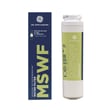
- Replace the water filter on schedule if water flow slows (use refrigerator water filter MSWF)
- If you see warm temps plus heavy frost, inspect the defrost system components (for example, refrigerator defrost heater WR51X10055 and refrigerator defrost bi-metal thermostat WR50X10065)
Why it matters
Most “bad refrigerator” experiences come from installation timing, airflow issues, or a worn part (like a filter, fan, or defrost component), not from the side-by-side design itself. Keeping the unit level, ventilated, and maintained protects cooling performance and ice production.
Last updated: February 2026