View engine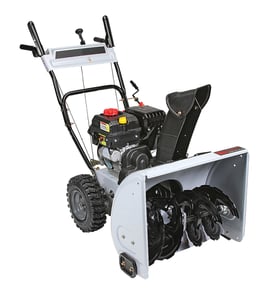



Is it worth fixing a snowblower?
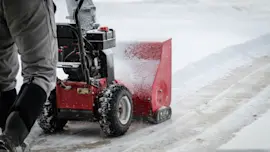
Yes, it’s usually worth fixing a Craftsman snow thrower like model C950-52475-9 when the problem is a normal wear item (belt, spark plug, shear pins, friction disc, carburetor cleaning) and the total repair cost stays well below the price of a comparable replacement machine.
Quick decision checklist
We use these practical checks to decide repair vs. replace:
- Starts and runs well once warmed up: repair is typically worthwhile.
- Auger and drive systems are intact (no major gearbox or transmission damage): repair is typically worthwhile.
- Rust is mostly cosmetic (housing solid, no structural rot): repair is typically worthwhile.
- Repair cost is under ~50% of replacement cost: repair usually makes sense.
- Repeated major failures (engine compression issues, severe oil burning, chronic drive failures): replacement is usually the better value.
Common “worth fixing” repairs (and why)
Most snowblower fixes are straightforward and restore full performance:
| Issue | Typical fix | Why it’s usually worth it |
|---|---|---|
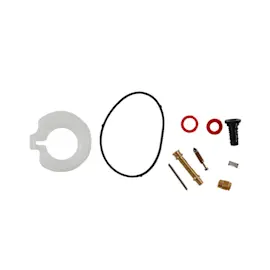
| Won’t start after storage | Fresh fuel, clean carburetor, new spark plug | Low parts cost; big reliability gain |
| Poor throwing distance | Clear chute, inspect auger, adjust skid shoes | Often adjustment or maintenance |
| Drive slips or won’t move | Inspect/replace belt or friction components | Common wear item on gas units |
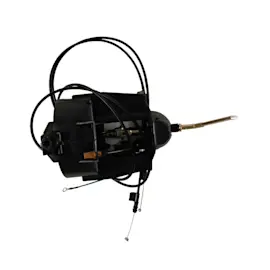
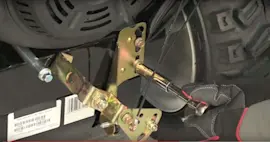
| Hard to control chute | Adjust linkage | Improves usability without major cost |
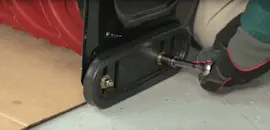
For step-by-step help on a very common repair, follow how to replace a snowblower belt video.
When replacement is the smarter move
We typically recommend replacing the snowblower when you see any of these patterns:
- Major engine problems (low compression, loud internal knocking, heavy smoke)
- Gearcase or auger gearbox damage (metal noise, seized auger shaft)
- Frame or housing damage that affects alignment or safety
- Multiple expensive repairs in the last 2 seasons
Why it matters
A well-maintained gas snowblower can deliver many seasons of reliable service, and fixing a single failure point (fuel system, belt, or adjustment) often restores performance faster and cheaper than shopping for a new machine.
Last updated: February 2026
How many years should a snowblower last?
A gas snowblower like the Craftsman C950-52475-9 typically lasts 15 to 20 years with normal residential use and consistent maintenance. Heavy, wet snow, frequent use, and skipped upkeep shorten lifespan; regular oil changes, lubrication, and belt checks keep it running longer.
Typical lifespan by use and care
- Light use + good maintenance: 18 to 20 years
- Average use + basic maintenance: 15 to 18 years
- Heavy use or poor maintenance: 10 to 15 years
- Commercial-style use: closer to 8 to 12 years (higher wear rate)
What maintenance extends life the most
- Change engine oil on schedule and keep the oil at the correct level
- Use fresh fuel and stabilize fuel before storage
- Check and replace the spark plug when starting gets harder
- Lubricate moving points (auger shaft, drive hex shaft, wheels) to prevent rust and binding
- Inspect belts, skid shoes, and the shave plate for wear before the season
| What you notice | What it usually means | What to do next |
|---|---|---|
| Hard starting, surging, or stalling | Fuel or ignition maintenance needed | Refresh fuel, check spark plug, clean fuel system |
| Poor throwing distance | Auger/impeller or belt wear, chute restriction | Inspect belts and auger function, clear chute |
| Drive slips or won’t move | Drive belt or friction drive wear | Inspect drive system and adjust/replace worn parts |
| Excess vibration/noise | Loose hardware or worn rotating parts | Tighten fasteners, inspect auger/impeller |
Why it matters
A snowblower’s “real” lifespan is mostly about wear items and corrosion control. Staying ahead of lubrication and seasonal checks reduces expensive failures and helps your Craftsman C950-52475-9 stay reliable during the first big storm.
Helpful DIY video
For a high-impact maintenance step that prevents binding and premature wear, follow how to lubricate a snowblower drive hex shaft video.
Last updated: February 2026
Should I use 87 or 91 for snowblower?
For the Craftsman C950-52475-9 gas snowblower, we recommend 87-octane regular unleaded for normal use. The bigger priority is fuel quality: use fresh gas, avoid E15 or higher ethanol blends, and treat fuel with stabilizer for storage; 91 octane only helps if it is ethanol-free.
What to use (and what to avoid)
- Use: 87-octane unleaded (most common, runs well in typical snowblower engines)
- Best upgrade: Ethanol-free fuel (often sold as “recreational” or “non-oxygenated” gas), even if it is 87 or 91
- Avoid: E15/E20/E85 (higher ethanol increases moisture absorption and can lead to carburetor gumming)
- Use stabilizer: Any time fuel will sit 30 days or more
- Use fresh fuel: Gas older than 30 days (without stabilizer) is a common cause of hard starting
Quick comparison
| Fuel choice | When it makes sense | What it helps most |
|---|---|---|
| 87 octane (E10 or less) | Everyday snow clearing | Reliable operation at lowest cost |
| 91 octane (with ethanol) | Rarely worth paying extra | Little to no benefit vs 87 |
| Ethanol-free (87 or 91) | Best for storage and fewer carb issues | Reduces varnish, corrosion, and starting problems |
Storage and cold-weather tips that prevent carb problems
- Add stabilizer before filling the tank so it mixes well
- Run the engine 5 to 10 minutes after adding treated fuel
- For end-of-season storage, either run the tank dry or store with stabilized ethanol-free fuel (pick one approach and do it consistently)
- Keep the fuel cap area clean so snow and water do not melt into the tank
- If it starts surging or won’t idle, check the spark plug and fuel freshness first; then move to carburetor cleaning
Why it matters
Most snowblower starting and performance complaints come from stale fuel and ethanol-related deposits, not from using 87 instead of 91. Choosing the right fuel and storage routine protects the carburetor, primer system, and small-engine seals.
For related maintenance, we also recommend: how to change snowblower oil video and how to check a snowblower spark plug video.
Last updated: February 2026
How to tell the age of a Craftsman snowblower?
To tell the age of your Craftsman snow thrower model C950-52475-9, use the product identification label on the machine and any date codes stamped on the engine. The most accurate result comes from matching the model number and serial number to the production run.
Where to find the model and serial label
Look in these common spots on Craftsman snowblowers:
- Rear of the frame between the wheels (back of the base)
- Side of the frame near the axle or wheel area
- Handle support bracket or under the control panel
- Near the engine mounting plate (sticker or metal tag)
Clean the tag so every character is readable; a photo with your phone helps.
How to use the numbers you find
Use these methods to narrow down the build year:
- Serial number pattern: Many units embed a date sequence (often similar to MMDDYY).
- Engine date code: Tecumseh and Briggs and Stratton engines commonly have a model/type/code or stamped code that indicates engine manufacture timing.
- Cross-check: If the engine date is close to the frame serial date, you have a solid age estimate.
Quick reference
| Item you find | What it tells you | Why it helps |
|---|---|---|
| Model number (C950-52475-9) | Configuration and parts breakdown | Ensures correct parts match |
| Serial number (frame tag) | Production run or build date | Primary way to estimate age |
| Engine code (on engine) | Engine manufacture timing | Confirms timeframe |
Why it matters
The build year affects parts fitment on items that change over time, such as belts, friction wheel components, carburetor parts, and electric starter hardware.
Helpful maintenance while you are checking
- Verify fresh fuel and open the fuel shutoff (if equipped)
- Inspect ignition using how to check a snowblower spark plug video
- Start-of-season service using how to change snowblower oil video
Last updated: February 2026