Owner’s manual


Why is my Kenmore vacuum not suctioning?
Loss of suction on your Kenmore canister vacuum model 11621514013 is almost always caused by restricted airflow: a full or misinstalled dust bag, a clogged motor safety filter or exhaust filter, or a blockage in the hose, wand, or PowerMate air path. Use the 11621514013 owner's manual steps to check the bag, filters, and clogs in the correct order.
- Open the canister hood and confirm the dust bag is seated correctly and not overfull.
- Check that the motor safety filter is installed properly and clean it as needed.
- Replace the exhaust filter if it is dirty or has reduced airflow.
- Inspect the hose, wands, and floor nozzle for a clog (a small sock, hair wad, or paper can block airflow).
- Verify all connections are fully seated (hose to handle, wand to PowerMate, wand locks engaged).
| Step | What to check | What you’re looking for | What to do |
|---|---|---|---|
| 1 | Dust bag | Full, torn, or not seated | Replace or reinstall the bag |
| 2 | Motor safety filter | Packed with dust, installed wrong | Clean and reinstall |
| 3 | Exhaust filter | Dark, dusty, restricted | Replace |
| 4 | Hose and wands | Blockage, collapsed section | Clear obstruction |
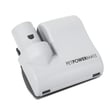
| 5 | PowerMate air path | Debris in nozzle or neck | Remove debris and re-test |
Suction can be fine at the canister but feel weak at the floor nozzle if the PowerMate has heavy brush area buildup or the air path is partially blocked.
- Remove hair and string from the brush area.
- Check for a clog at the wand to PowerMate connection.
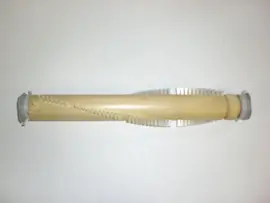
- If the brush roll is damaged and dragging, replace the vacuum beater bar KC83QDKMZV06.
Your vacuum’s suction motor depends on steady airflow for cleaning performance and cooling. A clogged bag, filter, or hose reduces pickup and can make the vacuum run hotter than normal.
Last updated: January 2026
Where to find model number on Kenmore canister vacuum?
On the Kenmore canister vacuum model 11621514013, the model number is printed on the model and serial number plate on the vacuum itself. We use that plate information to match the correct parts list, filters, bags, and PowerMate components for your exact unit.
Check these common locations on a Kenmore canister vacuum:
- On the canister body, often on the bottom or rear of the canister
- Under the canister hood (open the bag compartment and look for a label on the housing)
- Near the cord rewind area or along the side of the canister
- On a label that says Model and Serial (sometimes called a rating plate)
For the exact wording and what the plate looks like, use the 11621514013 owner's manual.
We recommend recording both identifiers from the plate:
- Model number (for example, 11621514013)
- Serial number (helps confirm production version when parts changed over time)
- Date of purchase (useful for service history)
Kenmore canister vacuums often have multiple versions that look similar. Using the full model number from the plate helps ensure you get the right vacuum parts, such as the correct brush roll, belt type, filters, and dust bag fit.
| Item | What it does | Used for |
|---|---|---|
| Model number | Identifies the vacuum design | Matching diagrams and part compatibility |
| Serial number | Identifies your specific unit | Confirming production changes and service records |
If you are troubleshooting brush roll issues, confirm the vacuum model first, then match the PowerMate wear parts. For example, the brush roll may be listed as the vacuum beater bar KC83QDKMZV06.
Related DIY help: vacuum brush roll on spinning.
Last updated: January 2026
How long do Kenmore canister vacuums last?
Most Kenmore canister vacuums last 8 to 12 years with normal home use and routine maintenance. For Kenmore model 11621514013, keeping airflow clear, changing bags and filters on schedule, and maintaining the PowerMate brush roll are the biggest factors in reaching the high end of that range.
- Bag and filter care: a clogged bag or dirty filters makes the motor run hotter and work harder.
- Clog prevention: frequent clogs strain the suction system and reduce cleaning performance.
- Brush roll condition: worn bristles or a jammed agitator increases load on the power head.
- Belt and moving parts: slipping or tight components reduce pickup and add stress.
- How you store and handle the hose/wands: kinks and cracks create leaks and reduce suction.
Use this as a practical baseline; follow the exact steps and intervals in the 11621514013 use and care guide.
| Item | Typical interval | What you are preventing |
|---|---|---|
| Dust bag | When full or suction drops | Overheating, poor suction |
| Motor safety filter | Monthly check; clean as needed | Motor strain, odor |
| Exhaust filter | Every 6 to 12 months | Reduced airflow, dust blow-by |
| PowerMate brush roll | Monthly hair/string removal | Brush roll drag, belt wear |
- Strong burning smell or repeated shutoffs during use
- Suction stays weak after bag and filter service
- Power head brush roll stops or struggles even after cleaning
- Unusual grinding noises from the PowerMate or canister
- Cracks in the hose, wand connections, or canister seals causing air leaks
A canister vacuum usually fails early from restricted airflow (bags, filters, clogs) or power head wear (brush roll, belt). Staying ahead of those items protects the suction motor and keeps cleaning performance consistent.
Last updated: January 2026
Who makes Kenmore canister vacuums?
Kenmore canister vacuums are made by manufacturers that build products under license for the Kenmore brand. For current Kenmore floor care, Cleva North America is the primary licensed manufacturer; your Kenmore model 11621514013 is supported through Kenmore and Sears parts and service resources such as the 11621514013 use & care guide.
Even when the manufacturer changes over time, the most important thing for ordering parts and following service steps is the exact model number (11621514013). Use the model number to match the correct vacuum parts, diagrams, and maintenance procedures.
- Match parts by model number first, not by “Kenmore canister” alone
- Follow the maintenance schedule for bags and filters to protect the suction motor
- If the brush roll is noisy or not cleaning well, inspect the PowerMate agitator area for hair and debris
- Replace worn floor-nozzle wear items (belt, brush roll/beater bar) when performance drops
- Use the troubleshooting section in the manual before replacing electrical components
Use these common locations to confirm you are working on the right Kenmore canister vacuum.
| What to check | Where to look | Why it matters |
|---|---|---|
| Model number | Model/serial plate on the vacuum | Ensures correct parts fit |
| Power nozzle type | PowerMate head | Determines brush roll and belt style |
| Bag and filters | Inside canister hood | Prevents clogs and overheating |
If your question is really about performance (not branding), these guides are usually the fastest path to a fix:
- Vacuum repair-guides landing page for common canister vacuum repairs
- Vacuum brush roll on spinning when the brush roll stops turning
- How to replace a vacuum beater bar when the brush roll is worn or damaged
Knowing who makes the vacuum is less important than matching the correct Kenmore model and maintaining airflow. Correct bags, clean filters, and a healthy brush roll help protect the motor and keep suction and carpet cleaning performance consistent.
Last updated: January 2026