Owner’s manual
 Error Codes


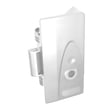
What is the most common problem with Samsung refrigerators ice?
The most common ice problem we see on Samsung refrigerators like model RFG29THDRS is little or no ice caused by restricted water flow (often a clogged water filter), the ice maker being turned off, or ice buildup that blocks the ice maker and dispenser path. Check the basics first, then follow the steps in the RFG29THDRS owner's manual.
Quick checks that fix most “no ice” complaints
- Confirm Ice Off is not selected on the dispenser panel.
- Make sure the freezer is cold enough; ice production drops fast if temps run warm.
- Replace the water filter if water dispenses slowly (a clogged filter restricts ice maker fill).
- Verify the household water supply valve is fully open and the water line is not kinked.
- If the display is blinking or acting erratically, reset power by unplugging for about 10 minutes, then plug back in.
What to do based on the symptom
| Symptom | Most likely cause | What we recommend |
|---|---|---|
| No ice at all | Ice maker turned off, no water supply, clogged filter | Turn Ice On, confirm water supply, replace filter |
| Small or hollow cubes | Low water flow/pressure, filter restriction | Replace filter, check for kinks and fully open valve |
| Clumpy ice or ice stuck in bucket | Ice melting and refreezing from warm air leaks | Check door seal and ice door closing; keep doors closed |
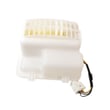
| Ice maker stops after working | Ice maker assembly issue or recurring freeze-up | Inspect ice maker area; consider replacing the refrigerator ice maker assembly da97-07365g |
Why it matters
Ice makers are sensitive to airflow and water flow. When water dispenses slowly, the ice maker usually fills slowly too, which leads to poor cube quality or no ice. When warm air leaks into the ice area, ice can melt, clump, and refreeze into a blockage.
Parts that commonly solve ice issues on this model
- Refrigerator ice maker assembly da97-07365g (if the ice maker mechanism is failing)
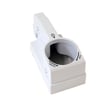
- Water filter related components such as the Samsung refrigerator water filter housing DA97-11435A (if you have leaks or fit issues at the filter head)
Last updated: February 2026
What is the difference between force defrost FD and RD?
On the Samsung RFG29THDRS refrigerator, RD is a targeted defrost for the refrigerator (fresh food) section, while FD is a full forced defrost that’s used to melt heavier frost buildup across the cooling system (often including the freezer and ice-related areas). Use RD for fresh-food icing symptoms; use FD for broader icing problems.
What each mode is used for
- RD (refrigerator defrost): Focuses on the fresh food evaporator area when the refrigerator section is warming, airflow is weak, or you see frost behind the refrigerator back panel.
- FD (force defrost): A more comprehensive manual defrost used when frost is affecting overall cooling, freezer performance, or ice production.
When to choose RD vs FD
Use these quick symptom checks to pick the right option:
- Choose RD if:
- Refrigerator section is warm but freezer is mostly OK
- You hear the fan struggling or airflow seems blocked in the fresh food section
- Frost returns quickly behind the refrigerator evaporator cover
- Choose FD if:
- Both sections are warming or airflow is restricted in multiple areas
- Ice maker performance drops and you suspect ice or frost buildup
- You see heavy frost patterns that suggest a larger defrost issue
What to do before and after running a forced defrost
- Remove perishable food if temperatures are already unsafe.
- Place towels to catch meltwater.
- After the cycle, restore your set temperatures and allow several hours to stabilize.
- If frost returns quickly, inspect for airflow restrictions and door sealing issues.
Helpful related resources
- For model-specific control panel and operating guidance, use the owner's manual.
- If ice production is the main symptom, follow the steps in why your Samsung fridge stopped making ice and how to fix it.
Why it matters
Choosing the right defrost mode saves time and reduces repeat icing. RD helps when the fresh food evaporator is the problem; FD helps when frost is widespread and is impacting cooling performance, airflow, and ice making.
| Mode | What it targets | Best for | Typical outcome |
|---|---|---|---|
| RD | Refrigerator section | Fresh food icing, weak fridge airflow | Clears frost near fresh food evaporator |
| FD | Whole cooling system (broader) | Heavy icing affecting cooling or ice | Clears more widespread frost buildup |
Last updated: February 2026
What type of appliance is the RFG29THDRS?
The Samsung RFG29THDRS is a French door refrigerator (a bottom-mount style with the freezer drawer on the bottom). For model-specific features, capacities, and control panel functions, we recommend confirming details in the RFG29THDRS owner's manual.
How to identify this refrigerator style
A French door, bottom-mount refrigerator typically has these traits:
- Two side-by-side fresh food doors on top
- A pull-out freezer drawer on the bottom
- Separate temperature controls for refrigerator and freezer sections
- Common add-ons such as an external ice and water dispenser (varies by configuration)
What the manual confirms for this model family
The documentation for this Samsung French door platform includes setup and operating guidance such as:
- Installation clearance guidance (including door swing clearance)
- Control panel functions (for example, Energy Saver mode and freezer temperature settings)
- Safety and usage cautions for household food storage
Quick reference: where this model fits
| Item | What it means for RFG29THDRS |
|---|---|
| Brand | Samsung |
| Appliance type | Refrigerator |
| Door style | French door |
| Freezer location | Bottom (drawer) |
| Category | Refrigerator parts |
Why it matters
Knowing the appliance type helps you match the right parts and troubleshooting steps. For example, French door models commonly use specific assemblies for ice making, door sealing, and drawer hardware that differ from top-freezer or side-by-side designs.
Last updated: February 2026
What is the average lifespan of a Samsung refrigerator?
Most Samsung refrigerators last 10 to 15 years with normal use and basic maintenance. For your Samsung RFG29THDRS, keeping the doors sealing well, cleaning regularly, and fixing cooling or ice maker issues early helps you reach the upper end of that range; see the RFG29THDRS owner's manual for care and cleaning guidance.
Typical lifespan and what affects it
A refrigerator’s lifespan depends less on the cabinet and more on wear items like the compressor, fans, defrost system, and door gaskets.
- 10 to 15 years is the typical range for modern refrigerators
- Heavy use (large family, frequent door openings) can shorten life
- Poor airflow around the cabinet and dirty condenser area can increase run time
- Water and ice maker issues can create secondary problems (leaks, ice jams)
- Prompt repairs often cost less than running a failing component for months
Maintenance that extends life (high impact)
The manual emphasizes that regular cleaning helps prolong appliance life.
- Clean interior spills promptly; wipe shelves and drawers dry before reinstalling
- Clean the exterior with a damp soft cloth (do not spray water directly on the refrigerator)
- Keep door seals clean so the doors close fully and don’t leak cold air
- Maintain proper installation clearances so the unit can shed heat efficiently
- Address puddles, frost buildup, or warm temperatures quickly
Common “life-limiting” parts and examples for RFG29THDRS
If performance drops, these are common repair areas on this model family.
| Symptom | Common cause | Example part on this page |
|---|---|---|
| No ice or small cubes | Ice maker issue, water supply restriction | Refrigerator ice maker assembly da97-07365g |
| Warm fridge/freezer | Sealed system or compressor problem | Samsung refrigerator compressor MKV190CL2BASH |
| Water under crisper or inside fridge | Drain restriction or drain tube issue | Refrigerator cabinet drain tube assembly da97-04049d |
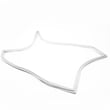
| Moisture, sweating, higher run time | Air leak at door | Refrigerator door gasket DA97-05557B |
Why it matters
A refrigerator that is struggling to cool runs longer, uses more electricity, and puts extra strain on the compressor and evaporator system. Simple upkeep and timely part replacement can add years of reliable service.
Last updated: February 2026