Owner’s manual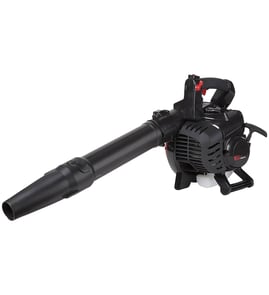

Are gas leaf blowers being phased out?
Yes. Gas leaf blowers are being phased out in some U.S. cities and states through local noise and emissions rules, but it is not a nationwide phase-out. For your Craftsman model 636796912, the key is following your local ordinance and maintaining the 2-cycle engine so it runs cleanly and reliably (see the owner's manual).
What “phased out” usually means
Most phase-outs are local policies that restrict one or more of these:
- Use (certain days, hours, or seasons)
- Noise level (decibel limits)
- Commercial use (landscapers first, homeowners later)
- Sales of new equipment (new gas units restricted, existing units may still be used)
How to keep a gas blower compliant and running well
A poorly running 2-cycle blower can be louder, smokier, and harder to start. For the Craftsman 636796912, our best maintenance basics are:
- Use the correct gasoline-oil fuel mixture listed in the manual
- Refuel only when the engine is cool; wipe up spills before starting
- Clean the air filter regularly; a dirty filter increases fuel use and reduces power
- Warm up the engine at low speed before heavy blowing
- Use the throttle to match the job (lower speed for dry leaves, higher for heavier debris)
Quick reference: common restriction types
| Rule type | What you may see | What to do |
|---|---|---|
| Noise ordinance | Limited hours or decibel caps | Use lower throttle when possible; avoid early/late use |
| Emissions policy | Limits on 2-cycle engines | Keep air filter clean; use correct fuel mix |
| Sales restriction | No new gas blower sales | Maintain your current unit; plan ahead for future replacement |
Why it matters
Local restrictions can affect when you can use a gas power blower and whether a landscaping crew can operate it commercially. Good tune-up habits also reduce smoke, improve performance, and help your blower last longer.
Last updated: February 2026
What company makes Craftsman leaf blowers?
Craftsman is a brand owned by Stanley Black & Decker; Craftsman leaf blowers are produced for the Craftsman brand under that ownership. For your Craftsman gas power blower model 636796912, use the owner's manual to match the correct specifications and service parts for your exact unit.
What this means for parts and service
Even when the brand owner is clear, the exact engine and component design can vary by model and production run. For the Craftsman 636796912 blower, the manual includes a detailed parts list and diagrams to help you identify what you need.
Common service items called out for this model include:
- Spark plug
- Air cleaner (air filter)
- Blower pipes/tubes
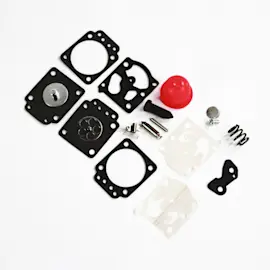
- Fuel system wear items (fuel line, fuel strainer)
- Ignition components (plug cap, ignition coil)
How we recommend confirming the right replacement part
Use the model-specific parts list in the manual first; it ties each component to a part number and key number.
- Find the exploded view for the assembly you are repairing
- Match the key number on the diagram to the parts list
- Confirm the description (example: spark plug, fuel strainer)
- Verify quantities (some items are used more than once)
- Replace gaskets, clamps, and O-rings when you open the fuel or intake system
Quick reference: brand vs. model identification
| Item | What it tells you | Best use |
|---|---|---|
| Craftsman | Brand name on the housing | General compatibility guidance |
| 636796912 | Exact model number | Correct parts list and procedures |
| Owner’s manual parts list | Diagram + part numbers | Ordering and repair accuracy |
Why it matters
Leaf blowers often share similar-looking parts across models, but small differences (fuel line routing, carburetor bracket style, ignition parts) can prevent a correct fit. Using the model 636796912 documentation avoids wrong-part returns and repeat repairs.
Last updated: February 2026
What is the life expectancy of a gas leaf blower?
A gas leaf blower typically lasts about 8 to 10 years with normal homeowner use and consistent maintenance. For your Craftsman 636796912 (a 2-cycle, 37.7 cc gas power blower), following the maintenance and tune-up steps in the Owner's manual is the biggest factor in reaching that lifespan.
What affects lifespan the most
- Fuel quality and mix: using the correct gasoline-oil mixture and not running stale fuel
- Air filter and spark plug care: keeping wear items clean and replaced on schedule
- Cooling and airflow: keeping intake areas clear so the engine stays air-cooled properly
- Storage habits: draining or treating fuel before storage and storing dry
- Operating conditions: heavy dust, long run times, and high throttle use shorten life
Maintenance checklist that extends blower life
- Use the correct 2-cycle fuel mix and refuel safely (engine cool, wipe spills)
- Clean or replace the air cleaner regularly
- Inspect and replace the spark plug as needed; set gap to 0.6 to 0.7 mm (0.024 to 0.028 in.)
- Check for loose fasteners, cracked blower pipe, and fuel leaks before each use
- Warm up the engine at low speed (about 2 to 3 minutes in summer, about 5 minutes in winter)
Typical lifespan by use level
| Use pattern | Typical life | What to expect |
|---|---|---|
| Light seasonal homeowner use | 10+ years | Mostly routine tune-ups and wear items |
| Average homeowner use | 8 to 10 years | Occasional carburetor or fuel-line service |
| Heavy use (frequent, dusty, long sessions) | 5 to 7 years | Faster wear of ignition and fuel system parts |
Why it matters
A 2-cycle blower like the Craftsman 636796912 depends on clean airflow and correct fuel mix for lubrication. Small maintenance steps (air cleaner care, spark plug condition, proper warm-up, and good storage) prevent hard starting, power loss, and premature engine wear.
Last updated: February 2026
Why are gas-powered leaf blowers bad?
Gas-powered leaf blowers can be “bad” mainly because they produce exhaust emissions and noise, and they can kick up dust and debris. With the Craftsman 636796912 gas power blower, safe operation focuses on ventilation, keeping bystanders away, and using protective gear as outlined in the owner's manual.
What people usually mean by “bad”
- Air pollution: 2-cycle engines burn a gasoline-oil mix and produce exhaust; using the correct fuel mixture and keeping the engine tuned reduces excess smoke.
- Noise: Gas blowers are typically louder than electric models; hearing protection helps.
- Dust and debris exposure: Blowers can stir up dirt, pollen, and fine particles.
- Safety risks: Hot engine parts, fuel handling, and flying debris can cause injury.
- Neighborhood impact: Noise and dust can affect nearby people and pets.
Safety and use tips for the Craftsman 636796912
The manual’s safety rules and operating steps are the best guide for reducing the downsides during use.
- Operate only in a well-ventilated area (never in enclosed spaces).
- Keep bystanders out of the work area.
- Wear safety glasses and a dust mask.
- Never point the blower pipe toward people or animals.
- Refuel safely: do not refuel a hot engine, wipe spills, and move about 10 feet away before starting.
Quick comparison: gas vs. electric blowers
| Feature | Gas-powered blower | Electric (corded/battery) blower |
|---|---|---|
| Emissions at use | Yes | No |
| Noise level | Typically higher | Typically lower |
| Runtime | As long as you have fuel | Limited by cord/battery |
| Maintenance | More (fuel mix, air filter, spark plug) | Less (generally) |
Why it matters
Most complaints about gas leaf blowers come down to air quality, noise, and dust. Following the Craftsman 636796912 operating and maintenance instructions (especially ventilation, PPE, and fuel handling) reduces risk and makes the blower safer and more tolerable to use.
Last updated: February 2026
Which brand of gas leaf blower is best?
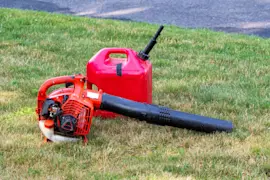
For most homeowners, the “best” gas leaf blower brand is the one that fits your yard size, starting preference, and comfort needs. Your Craftsman model 636796912 is a lightweight, high-performance 2-cycle blower designed for leaves, driveway sweeping, gutter cleaning, and light debris removal; use the owner's manual to match features and safe operation to your typical jobs.
How we recommend choosing the best brand
Different brands tend to excel in different priorities (power, ergonomics, serviceability). Use these factors to compare brands and models fairly:
- Air performance: look at CFM (volume) and MPH (speed) together
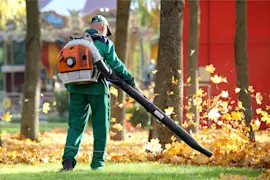
- Type: handheld vs backpack (backpack reduces arm fatigue for long sessions)
- Starting and controls: choke, throttle response, and stop switch placement
- Weight and vibration: lighter and better damping reduces fatigue
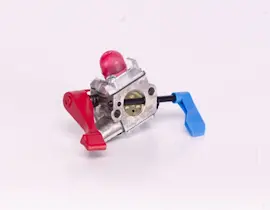
- Fuel system: easy-to-access air filter, fuel lines, and primer bulb for maintenance
- Noise and comfort: hearing protection is still recommended for any gas blower
Quick comparison: what “best” usually means
| Your priority | What to buy | Why it matters |
|---|---|---|
| Maximum cleanup speed | Backpack blower | Higher sustained output with less fatigue |
| Everyday residential use | Mid-power handheld | Easier storage and maneuvering |
| Comfort for longer jobs | Backpack with good straps | Better balance and less strain |
| Easy ownership | Model with simple maintenance access | Faster tune-ups and fewer hassles |
Fit the blower to the job (practical guidance)
Your Craftsman 636796912 manual describes using lower speed for dry leaves on lawns and higher speed for heavier debris on driveways. That same idea helps you pick a brand and model:
- Small patios and light leaf fall: handheld is usually the best value
- Medium yards with weekly cleanup: stronger handheld or light backpack
- Large lots, heavy leaf season, or long sessions: backpack is typically “best”
Why it matters
A blower that is too heavy or too powerful for your typical use causes fatigue, extra noise, and harder control. A blower that is too small makes cleanup take longer and can push you toward running at full throttle all the time.
Last updated: February 2026