Owner’s manual


What are common problems with Whirlpool Duet dryers?
Common problems we see on Whirlpool Duet dryers like model WED9600TW0 are no heat, not starting, not tumbling, long dry times from restricted venting, and squealing or thumping noises from worn drum support parts. Use the WED9600TW0 owner's manual troubleshooting section to match symptoms to the right checks.
Most common symptoms and what usually causes them
- Dryer will not start: door not fully closed, Start not pressed firmly, blown fuse or tripped breaker (many electric dryers use two), or a power issue.
- Drum turns but no heat: home power supply issue (often shown as an L2 diagnostic), failed heating circuit component, or wiring problem.
- Long dry times: crushed or blocked venting (often shown as an AF diagnostic), lint buildup, or restricted airflow.
- Squealing/squeaking: worn drum support rollers or idler pulley.
- Thumping or rumbling: flat-spotted rollers, worn drum seal, or a damaged blower wheel.
Quick checks we recommend first (fast, no parts)
- Confirm the dryer is getting full power; reset both breakers (or check both fuses).
- Make sure the door closes and latches positively.
- Clean the lint screen and check the exhaust for kinks, crushing, or blockage.
- Run a heated Timed Dry cycle to compare performance.
- If the display shows a code, use an error-code reference to narrow the cause.
Parts that commonly fix Duet dryer issues
| Symptom | Common wear item | Example part for WED9600TW0 |
|---|---|---|
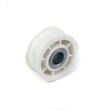
| Squealing, belt slip, no tumble | Idler pulley | Dryer idler pulley 279640 |
| Thumping/rumbling | Drum support roller | Support WPW10314173 |
| No heat (electric models) | Heating element | Dryer heating element WP8544771 |
| Overheating or heat cycling issues | Thermistor | Dryer thermistor WP8577274 |
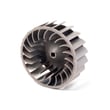
| Poor airflow/noisy airflow | Blower wheel | Dryer blower wheel WP697772 |
Why it matters
Most “no heat” and “long dry time” complaints trace back to airflow problems. Restricted venting can trigger diagnostics like AF and can also stress heating components, thermostats, and wiring over time.
Last updated: February 2026
What's the average lifespan of a Whirlpool Duet dryer?
A Whirlpool Duet dryer typically lasts 10 to 13 years with normal household use and basic care. For the Whirlpool WED9600TW0, consistent lint and vent maintenance plus timely replacement of wear parts can push service life closer to 15 years.
What affects lifespan the most
- Venting and airflow: restricted exhaust makes the dryer run hotter and longer.
- Lint control: a clogged lint screen and ducting increase heat stress.
- Load habits: frequent overloading strains the drive system and drum supports.
- Heat system health: weak heating performance can cause long cycles and extra wear.
- Preventive repairs: replacing common wear items early prevents secondary damage.
Typical lifespan ranges (what to expect)
| Usage pattern | Typical lifespan | What usually fails first |
|---|---|---|
| Light (few loads/week) | 12 to 15 years | Rollers, belt, idler pulley |
| Average (most households) | 10 to 13 years | Heating circuit parts, drum support parts |
| Heavy (daily loads) | 8 to 11 years | Motor, rollers, idler pulley, heating parts |
Maintenance that extends life on WED9600TW0
We recommend following the care and venting guidance in the WED9600TW0 owner’s manual.
- Clean the lint screen every load; wash and dry it periodically if residue builds up.
- Inspect and clean the exhaust duct regularly; keep the run short and unobstructed.
- Avoid overloading; bulky loads increase strain on the drum and drive components.
- If you hear squealing, thumping, or grinding, service the drum support system promptly.
- If drying times increase, address airflow first before replacing heat parts.
Parts that commonly drive “end of life” decisions
When a Duet dryer gets noisy or stops tumbling, these are frequent culprits:
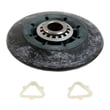
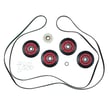
- Dryer repair kit 4392067 (common wear items bundled for many drum support/drive issues)
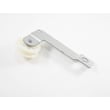
- Dryer idler pulley 279640 (squeal, belt slack, no tumble)
- Dryer heating element WP8544771 (no heat or weak heat on electric models)
Why it matters
A dryer that runs hot or takes too long to dry uses more energy and accelerates wear on the motor, drum supports, and heating system. Keeping airflow strong is the simplest way to protect performance and extend lifespan.
Last updated: February 2026
How much to replace a Whirlpool dryer motor?
For a Whirlpool WED9600TW0 dryer, replacing the drive motor typically runs about $200 to $600 total (part plus labor). The motor itself is usually the biggest cost; if you’re doing the repair yourself, you mainly pay for the motor and any related wear parts.
What drives the total cost
- Motor price: commonly $150 to $300+ for the part (varies by exact motor and supplier)
- Labor: often $150 to $300+ depending on service rates and access time
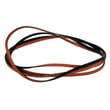
- Extra parts: many techs replace belt and support parts while the dryer is open
- Diagnosis fee: may apply if you don’t proceed with the repair
- Downtime and repeat visits: can add cost if multiple issues exist
Parts that are commonly replaced with the motor
If the motor failed due to drag or worn support components, replacing the wear items at the same time helps prevent repeat problems.
- Drive motor 279787
- Dryer repair kit 4392067 (common wear items bundled together)
- Dryer idler pulley 279640
- Support WPW10314173 (drum support roller)
Quick cost comparison
| Repair path | What you pay for | Typical total |
|---|---|---|
| DIY motor replacement | Motor (plus any wear parts you choose) | ~$150 to $350+ |
| Pro motor replacement | Motor + labor + possible diagnosis | ~$300 to $600+ |
Why it matters
A dryer motor replacement is one of the higher-cost repairs on an electric dryer. If the drum rollers, idler pulley, or blower wheel are binding, the new motor can be stressed again; addressing the root cause protects your repair investment.
Before you commit to the motor
We recommend checking the basics in the WED9600TW0 owner’s manual first, especially power supply and “won’t run” troubleshooting. Also confirm the drum turns by hand (with power disconnected); hard-to-turn drums often point to roller, idler, or seal drag rather than a motor-only failure.
Last updated: February 2026