


What is the most expensive part to replace on an AC unit?
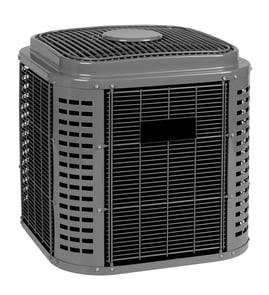
In a York central air conditioner condensing unit like model H2DH060S06B, the compressor is typically the most expensive single part to replace because it is the core of the refrigeration cycle and often requires refrigerant recovery, sealed-system work, and precise electrical checks.
Why the compressor costs the most
- It is a high-value component (motor plus pump assembly in a sealed housing).
- Replacement often involves refrigerant handling and evacuation, not just a bolt-on swap.
- A failed compressor can be caused by other issues (overheating, low airflow, electrical problems), so diagnosis time matters.
- Many compressor failures also lead to additional parts being replaced to protect the new compressor.
Other high-cost AC parts to consider
These parts can also be expensive depending on the failure and labor involved:
- Condenser fan motor
- Outdoor control board (if equipped)
- Contactor and capacitor (usually cheaper than a compressor, but common)
- Condenser coil (damage or severe corrosion)
- Refrigerant line repairs (leaks, restrictions)
Quick cost and complexity comparison
| Part | Typical cost impact | Repair complexity | Notes |
|---|---|---|---|
| Compressor | Highest | High | Often includes sealed-system labor and refrigerant work |
| Condenser coil | High | High | May involve brazing and refrigerant work |
| Control board | Medium to high | Medium | Diagnosis is key to avoid misreplacement |
| Fan motor | Medium | Medium | Can cause overheating that damages the compressor |
| Capacitor/contactor | Low to medium | Low to medium | Common no-cool causes; verify with testing |
Why it matters (before you replace anything)
If the compressor is suspected, we recommend confirming the basics first: correct line voltage, a healthy run capacitor, good condenser airflow, and no obvious wiring damage. A simple electrical failure can mimic a bad compressor.
For safe electrical testing steps and tool basics, use our how to use a multimeter to test electrical parts video.
Last updated: February 2026
How much do AC spare parts usually cost?
AC spare parts for a York H2DH060S06B condensing unit range widely in price; small electrical items are usually the least expensive, while major components like a compressor or coil are typically the most expensive. The exact cost depends on the part type, capacity match, and whether it is OEM.
Typical price ranges for central AC parts
These ranges are common for central air conditioner parts (part only, not labor):
- Capacitor: about $15 to $60
- Contactor/relay: about $20 to $80
- Pressure switch/sensor: about $30 to $150
- Fan motor (condenser): about $150 to $450
- Control board (if used): about $150 to $600
- Condenser coil: about $400 to $1,200+
- Compressor: about $600 to $2,000+
Part cost vs. total repair cost (what changes the bill)
Even when the part is affordable, the total repair cost can change a lot based on what is involved.
| What you’re replacing | Why total cost varies | Common add-ons |
|---|---|---|
| Capacitor or contactor | Quick access, minimal disassembly | Service call, diagnostic fee |
| Fan motor | Wiring, mounting, blade condition | New run capacitor, fan blade |
| Coil or compressor | Refrigerant recovery, brazing, evacuation | Filter-drier, refrigerant, leak check |
How to estimate the right part for your York H2DH060S06B
Use these steps to avoid buying the wrong HVAC part:
- Match the model number H2DH060S06B exactly (not just the brand).
- Identify the failed section: electrical, airflow, or refrigeration.
- Compare ratings on the old part (for example: MFD and voltage on a capacitor).
- If you’re testing electrical parts, use a meter and follow safe practices; see how to use a multimeter to test electrical parts video.
- If the repair involves refrigerant (coil/compressor), plan on professional service.
Why it matters
Central AC parts are not one-size-fits-all; a mismatched capacitor, motor, or compressor can cause repeat failures, nuisance breaker trips, poor cooling, or damage to the condensing unit.
Last updated: February 2026
What AC parts are most commonly replaced?
For the York H2DH060S06B condensing unit, the most commonly replaced AC parts are the electrical start components and wear items that handle heat, vibration, and outdoor exposure, such as the run capacitor, contactor, condenser fan motor, and dual run capacitor (when used).
Most common replacement parts (and what they do)
- Run capacitor / dual run capacitor: Helps the compressor and fan motor start and run.
- Contactor (relay): Switches high voltage power to the outdoor unit when cooling is called.
- Condenser fan motor: Moves air through the outdoor coil to reject heat.
- Fan blade: Can crack, loosen, or get out of balance and strain the motor.
- Compressor hard-start kit (when applicable): Helps a struggling compressor start.
- Fuses (disconnect or control circuit): Protects wiring and components from overcurrent.
Quick symptom-to-part guide
| Symptom you notice | Common part to check first | What typically happens |
|---|---|---|
| Outdoor unit hums but fan will not spin | Capacitor | Motor cannot start under load |
| Outdoor unit will not turn on at all | Contactor, fuses | No power is being switched to the unit |
| Fan runs but little or no cooling | Capacitor, compressor start components | Compressor may not be starting or running correctly |
| Loud rattling or wobble | Fan blade, motor mounts | Imbalance increases vibration and noise |
| Unit starts then shuts off quickly | Capacitor, overheating fan motor | Overload trips from heat or high amperage |
Before you replace anything (safe, high-value checks)
- Turn off power at the disconnect and breaker before opening the condensing unit.
- Confirm the thermostat is calling for cooling and the indoor blower is running.
- Inspect the outdoor coil for heavy dirt or blockage and clear debris around the unit.
- Look for burned wires, loose spade connectors, or a pitted contactor.
- Test capacitors and voltage with a meter if you are trained to do so.
For electrical testing basics, we recommend using a meter correctly and safely; see how to use a multimeter to test electrical parts video.
Why it matters
These parts fail often because they cycle frequently, run hot, and sit outdoors. Catching a weak capacitor or failing fan motor early can prevent bigger damage to the compressor and reduce no-cool breakdowns during peak heat.
Last updated: February 2026
What are the most common air conditioner problems?
The most common problems we see on a York H2DH060S06B condensing unit are airflow restrictions, electrical power issues, refrigerant-related cooling problems, and control or component failures (like a bad capacitor or contactor). Many symptoms start with simple causes such as a dirty filter, blocked coil, or a tripped breaker.
Most common problems and what they look like
- Not cooling or weak cooling: dirty outdoor coil, low refrigerant charge, failing compressor
- Outdoor unit will not start: tripped breaker, blown fuse, bad contactor, failed capacitor
- Short cycling (turns on and off quickly): dirty coil, thermostat/control issue, overheating compressor
- Ice on the indoor coil or refrigerant line: restricted airflow (filter/duct), low refrigerant
- Loud buzzing or humming: failing capacitor, loose electrical connection, contactor chatter
- Water around the indoor unit: clogged condensate drain (indoor air handler issue)
Quick checks you can do safely
Turn off power at the disconnect and breaker before inspecting anything inside the cabinet.
- Confirm the thermostat is set to Cool and the temperature is set lower than room temp
- Check the air filter and replace if dirty (a top cause of airflow problems)
- Look for blocked supply/return vents and closed interior doors that reduce airflow
- Inspect the outdoor unit for debris on the coil (leaves, grass clippings)
- Check for a tripped breaker or blown fuse in the disconnect
- Listen for clicking at the outdoor unit (often points to contactor/capacitor issues)
Symptom-to-likely-cause guide
| Symptom | Common cause | What to do next |
|---|---|---|
| Outdoor fan runs, little cooling | Dirty coil, low refrigerant | Clean coil; have refrigerant checked |
| Hums but will not start | Failed capacitor | Test capacitor; replace if bad |
| Nothing runs | Power issue, bad contactor | Check breaker/fuses; test contactor |
| Runs then shuts off | Overheating, dirty coil | Clean coil; verify airflow |
Why it matters
Central air conditioners depend on steady airflow and correct electrical operation. Restricted airflow can cause icing and compressor stress; electrical issues can prevent the condensing unit from starting or can damage components over time.
Helpful DIY resources
For electrical troubleshooting steps and safe testing basics, use our guides: how to tell if a fuse is blown and how to use a multimeter to test electrical parts video.
Last updated: February 2026