- Kenmore refrigerator water filters
- Whirlpool refrigerator water filters
- Samsung refrigerator water filters
- GE refrigerator water filters
- LG refrigerator water filters
- Frigidaire refrigerator water filters
- KitchenAid refrigerator water filters
- Maytag refrigerator water filters
- Kenmore Elite refrigerator water filters
- Estate refrigerator water filters
- GE Profile refrigerator water filters
- Amana refrigerator water filters
- Bosch refrigerator water filters
- Dacor refrigerator water filters
- Electrolux refrigerator water filters
Top DIY repair help
View All Repair Categories
Appliances
Lawn & Garden
Power Tools
Home Improvement
Sports & Leisure
Heating & Cooling
5 snowblower tips and tricks
less than a minute readOct 29Lyle Weischwill
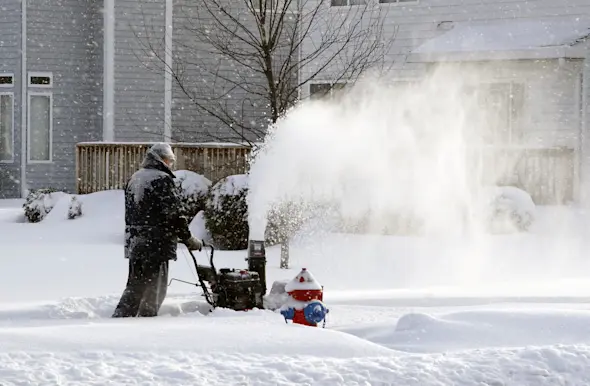
Your snowblower makes clearing driveways and sidewalks faster and easier, but a few smart techniques can make the job even smoother. Learning how to use a snowblower properly helps prevent clogging, protect the engine, and clear snow more efficiently so you can get back inside sooner.
Once you’ve learned the best way to operate your machine, check out our snowblower repair guide page for step-by-step instructions for commonly replaced parts. You can also find helpful articles and videos. You can also shop snowblower replacement parts and maintenance supplies to keep your snowblower ready for winter weather.
Clear snow early for best results
If possible, start blowing snow while it’s still fresh. Newly fallen snow moves through the auger and chute more easily, while packed or hardened snow can strain the engine and slow your progress. Removing snow early also reduces the risk of ice forming underneath, which can make the next cleanup more difficult.
Let your snowblower adjust to the outdoor temperature
If you store your snowblower in a heated garage, move it outside before starting. Give it about 5 to 10 minutes to adjust to the colder air, then start the engine and let it warm up briefly. This temperature adjustment helps the carburetor deliver the right fuel mixture and ensures smoother, more consistent engine performance once you begin clearing snow.
Prevent chute clogs with snowblower non-stick spray
Before starting your cleanup, spray a small amount of silicone spray (often called snowblower non-stick spray) inside the chute and auger housing. The slick surface helps snow slide through easily instead of sticking and causing buildup.
If the chute begins to clog, pause briefly to let the snow clear on its own. If it becomes fully blocked, turn off your snowblower and use the clean-out tool that came with your machine or a thin wooden stick to safely remove the packed snow. Never use your hands or metal tools to clear the chute.
Adjust your speed for efficient clearing
Start at a slower pace to let the auger and impeller process the snow without overworking the engine. Gradually increase your speed until the engine runs at peak efficiency. If you hear it straining or see the discharge slowing, ease up or take a smaller swath of snow. Adjusting speed as you go helps you maintain steady power and prevents engine stress.
Handle deeper snow in layers
When facing heavy snow accumulation, don’t try to remove it all at once. Push down gently on the handles to raise the front of the snowblower slightly and make a first pass to clear the top layer. Then, go back for a second pass to remove the remaining snow close to the surface. Working in layers keeps the machine from bogging down and helps prevent chute clogs.
By following these simple tips, you’ll make your snow-clearing routine faster, safer, and more effective. For more maintenance help, visit our snowblower repair help page to find repair tutorials, troubleshooting advice, and the parts you need to keep your snowblower in top shape.