


Is it okay to sleep with an air purifier on all night?
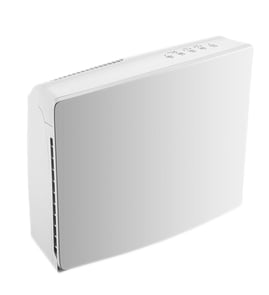
Yes. For the Whirlpool AP25030H0 air purifier, it’s fine to run the unit all night; continuous filtration can help reduce airborne dust, pollen, and pet dander while you sleep. Use a lower fan setting for comfort and keep the unit maintained so airflow stays strong.
Best settings for overnight use
- Use the lowest effective fan speed to reduce noise and drafts.
- Keep doors and windows closed if your goal is allergy control.
- Place the purifier a few feet from the bed so airflow is not blowing directly at you.
- Keep the intake and outlet clear (no curtains, bedding, or furniture blocking airflow).
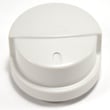
- If the control feels loose, cracked, or hard to turn, replace the air purifier control knob W11234413.
Safety and comfort checklist
| What to check | What “good” looks like | What to do if it’s not |
|---|---|---|
| Power cord and plug | No heat, cracking, or looseness | Stop using until the cord/plug issue is corrected |
| Noise/vibration | Steady fan sound, no rattling | Reposition on a flat surface; check for obstructions |
| Airflow | Noticeable air movement | Clean the exterior vents; check filter condition |
| Odors | No burning smell | Turn off immediately and inspect for dust buildup or electrical issues |
Why it matters
Airborne particles do not stop circulating at night. Running an air purifier continuously helps keep particle levels more stable, which is especially helpful for allergies and asthma triggers.
Maintenance tips that make overnight use more effective
- Check the filter regularly; a loaded filter reduces airflow and cleaning performance.
- Vacuum dust from the exterior intake grille so the fan can breathe.
- If performance drops suddenly, inspect for a clogged filter, blocked vents, or a failing fan motor.
Last updated: January 2026
What is the most highly recommended air purifier?
The most highly recommended air purifier is the one that matches your room size and filtration needs; for most homes, a true HEPA unit sized for the room (with a strong CADR rating and affordable filters) delivers the best real-world results. If you own a Whirlpool AP25030H0, keeping the controls working smoothly also helps you use the right fan setting consistently.
How we recommend choosing “the best” air purifier
Use these criteria first; brand comes second.
- Room size coverage: pick a unit rated for your room’s square footage.
- True HEPA filtration: best for smoke, dust, pollen, and many fine particles.
- CADR (clean air delivery rate): higher CADR generally means faster cleaning.
- Noise at effective speed: many purifiers only work well on higher (louder) settings.
- Filter cost and availability: ongoing filter replacements matter as much as purchase price.
Quick comparison: what “best” means for different needs
| Primary need | What to prioritize | Typical best fit |
|---|---|---|
| Allergies/pollen | True HEPA, high CADR | HEPA purifier sized for the room |
| Smoke/wildfire | High CADR, tight sealing, frequent filter changes | Larger HEPA unit run on higher speed |
| Pets/odors | HEPA plus substantial carbon | HEPA + carbon model with affordable filters |
| Bedrooms | Low noise at medium speed | Quiet unit with sleep mode |
If your Whirlpool AP25030H0 is hard to adjust or won’t stay on a setting
A loose, cracked, or slipping knob can make it difficult to select the right fan speed, which reduces cleaning performance.
- Unplug the air purifier before inspecting the control area.
- Check whether the knob spins freely without changing settings.
- Look for a cracked hub or worn internal grip.
- If the knob is damaged, replace it with the correct part for this model: air purifier control knob W11234413.
Why it matters
Air purifiers only help when they move enough air through the filter. Correct sizing, a strong CADR, and a control that reliably selects the right speed are what turn “recommended” into “effective” in your home.
Last updated: January 2026
What are the negatives of an air purifier?
Air purifiers (including Whirlpool model AP25030H0) can have downsides such as ongoing filter and energy costs, added noise, and reduced performance if the unit is undersized or poorly maintained. Some purifier types can also irritate sensitive lungs if they generate ozone.
Common downsides to know
- Ongoing cost: replacement filters and occasional parts add up over time.
- Noise: higher fan speeds can be noticeable in bedrooms or offices.
- Maintenance requirement: clogged filters reduce airflow and cleaning performance.
- Limited scope: purifiers help with airborne particles, but they do not remove dust already settled on surfaces.
- Placement sensitivity: performance drops if the intake or outlet is blocked by walls, furniture, or curtains.
- Technology tradeoffs: some ionizing or ozone-producing designs can be a poor fit for people with asthma or respiratory sensitivity.
Quick “is it worth it?” comparison
| Concern | What you may notice | What usually helps |
|---|---|---|
| Noise | Fan sound on high | Run on low/auto; place farther from bed |
| Cost | Filters and electricity | Replace filters on schedule; use lower speeds |
| Performance | Room still feels dusty | Right-size unit; keep doors/windows managed |
| Irritation | Throat or chest discomfort | Avoid ozone-producing modes; ventilate |
What to check on your AP25030H0 if performance seems poor
- Confirm the air path is clear (no blocked grille or tight corner placement).
- Clean exterior vents and remove lint buildup.
- If the control feels loose or hard to turn, inspect the air purifier control knob W11234413 for damage or slipping.
- Use a consistent run schedule; short, infrequent runs often feel ineffective.
Why it matters
Most “air purifier problems” come from airflow restrictions, dirty filters, or unrealistic expectations. When the unit can move air freely and is maintained, it is far more likely to reduce airborne dust, pollen, and pet dander.
Last updated: January 2026
Do indoor air purifiers actually work?
Yes, indoor air purifiers like the Whirlpool AP25030H0 can work well for improving indoor air quality by continuously filtering airborne particles such as dust, pollen, and pet dander; real-world results depend on using the right size unit for the room and keeping filters clean and replaced on schedule.
What an air purifier helps with (and what it does not)
Air purifiers are strongest at particle removal, especially when they use high-efficiency filtration.
- Helps reduce: dust, pollen, pet dander, lint, and some smoke particles
- Helps support: allergy and asthma comfort by lowering particle load in the air
- Does not fully solve: strong odors, VOCs, or gases unless the unit has effective carbon media
- Does not replace: source control (fixing moisture, cleaning, ventilation)
- Works best when: doors and windows are mostly closed during operation
How to get the best performance in your home
Most “it doesn’t work” complaints come from setup or maintenance issues, not the concept of air purification.
| What to check | What to do | Why it matters |
|---|---|---|
| Room size vs. purifier capacity | Run it in the room it’s sized for | Undersizing reduces air changes per hour |
| Fan speed and runtime | Use higher speed when needed; run consistently | More airflow equals more filtration |
| Filter condition | Replace or clean filters as required | A loaded filter restricts airflow |
| Placement | Keep intake and exhaust clear of walls/furniture | Prevents short-cycling and improves circulation |
Quick troubleshooting if airflow seems weak
If your Whirlpool AP25030H0 runs but doesn’t seem to move much air:
- Check for a clogged or incorrectly seated filter
- Make sure the intake and outlet grilles are not blocked
- Verify the control setting is not on a low speed
- Inspect the knob for cracking or slipping on the shaft
- If the knob is damaged, replace the air purifier control knob W11234413
Why it matters
Cleaner air is mainly about reducing particle exposure over time. A properly sized, well-maintained air purifier can noticeably reduce visible dust and allergy triggers, but it will not eliminate every odor or chemical in the air.
Last updated: January 2026