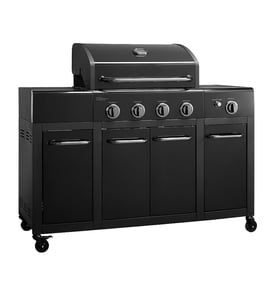

How durable is the Genesis II grill?
The Weber GENESIS GENESIS II gas grill is built for long-term outdoor use; with normal grilling and basic upkeep, most grills in this class last 10 to 15 years before major components like burners, flavorizer bars, or grates typically need replacement. You can also shop by model on Sears PartsDirect.
What “durable” means on a gas grill
Durability is mostly about how well the grill holds up to heat, grease, weather, and repeated ignition cycles. On a GENESIS II style grill, the parts that usually determine lifespan are:
- Burners and crossover tubes (heat and corrosion exposure)
- Flavorizer bars or heat plates (grease and flare-up exposure)
- Cooking grates (scraping, heat cycling)
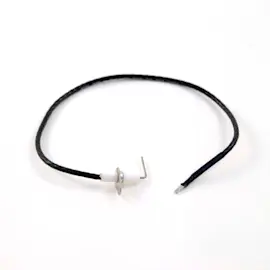
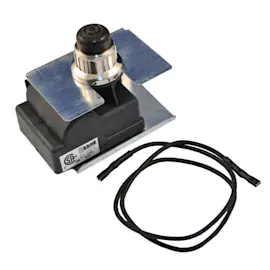
- Igniter system (battery, electrode, wiring)
- Firebox and lid (heat retention, rust prevention)
Typical lifespan by component
These ranges are what we commonly see for grills used year-round with average maintenance.
| Component | Typical lifespan | What shortens it fastest |
|---|---|---|
| Burners | 3 to 7 years | Grease buildup, clogged ports, moisture storage |
| Flavorizer bars / heat plates | 2 to 5 years | Heavy flare-ups, acidic marinades, infrequent cleaning |
| Cooking grates | 3 to 8 years | Aggressive scraping, leaving food residue, salt exposure |
| Igniter parts | 1 to 5 years | Dead battery, cracked electrode, wet wiring |
| Firebox / lid | 10+ years | Standing water, no cover, coastal air |
Maintenance that extends GENESIS II durability
We recommend these habits because they prevent the most common failure modes (corrosion, clogging, and overheating):
- Preheat 10 to 15 minutes, then brush grates; avoid gouging with sharp tools
- After cooking, run burners on high 5 to 10 minutes to burn off drippings
- Clean grease tray and drip area regularly to reduce flare-ups
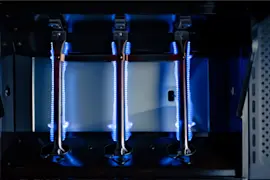
- Keep burner ports clear; inspect for spider webs or debris before peak season
- Use a fitted cover and store the grill dry when not in use
Why it matters
A durable grill is not just about the cabinet and lid; consistent heat and safe ignition depend on clean burners, controlled grease flow, and intact heat shields. Keeping those systems in good shape helps your GENESIS II cook evenly and reduces flare-ups.
Last updated: February 2026
Is Weber Genesis II discontinued?
Yes. The Weber GENESIS II gas grill series is discontinued and was replaced by the newer Weber GENESIS line; you can still keep a GENESIS model running by matching replacement parts to your exact grill’s model and serial information and ordering through Sears PartsDirect.
What “discontinued” means for GENESIS II owners
Discontinued does not mean your grill is unsupported; it means the GENESIS II series is no longer the current production line.
- You may still see GENESIS II grills sold as leftover inventory or used.
- Replacement parts can still be available, but selection varies by exact model and year.
- Some components change across revisions (burners, igniter kits, flavorizer bars, grates).
- The safest approach is always to match parts by the exact model identifier on your grill.
How to identify the exact GENESIS II version you have
Because this page’s model number is listed as GENESIS (a family name used across multiple Weber grills), we recommend confirming the exact ID from the rating label before ordering parts.
- Check the data label on the grill frame (often inside the cabinet or on a side panel).
- Record the model name, serial number, and fuel type (LP propane vs NG natural gas).
- Note key configuration details: number of burners, side burner, sear station, stainless vs porcelain-coated grates.
Quick checklist
| What to confirm | Why it matters |
|---|---|
| Fuel type (LP or NG) | Regulators, valves, and orifices differ |
| Burner count | Burner tubes and crossover parts vary |
| Ignition style | Battery igniter modules and electrodes vary |
| Firebox size | Heat plates and cooking grates must fit |
Why it matters
Ordering by the exact GENESIS II identification prevents fit issues and helps you avoid replacing the wrong gas valve, igniter, or burner set, which can affect lighting, heat output, and safe operation.
Last updated: February 2026
Are Weber Genesis grills any good?
Yes. Weber GENESIS grills are known for strong build quality, consistent heat, and reliable ignition, which makes them a solid choice for frequent grilling. For the Weber GENESIS GENESIS II gas grill family, most owners choose them for durability, even cooking, and easy day-to-day use.
What “good” usually means for a GENESIS II gas grill
When customers ask this, they typically care about performance, longevity, and how easy the grill is to live with.
- Even heat across the grates for predictable results on burgers, chicken, and vegetables
- Sturdy firebox and lid that hold heat well in normal outdoor conditions
- Dependable burners and ignition when kept clean and dry
- Useful cooking space for weeknight meals and small gatherings
- Straightforward maintenance (grease management and periodic cleaning)
Quick pros and trade-offs
| Category | What you typically get | What to plan for |
|---|---|---|
| Heat control | Stable temps and good recovery after opening the lid | Wind and cold weather still affect any gas grill |
| Durability | Long service life with basic care | Flavorizer bars, burners, and igniters are wear items |
| Ease of use | Fast preheat and simple knob control | Needs routine cleaning to prevent flare-ups |
How to keep a GENESIS II performing like new
A “good grill” stays good when the airflow and fuel path stay clean.
- Brush grates after preheat; oil lightly to reduce sticking
- Clean the cook box and grease tray regularly to limit flare-ups
- Check burner ports for blockage (spider webs and grease are common)
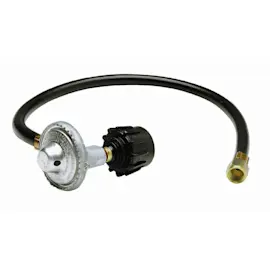
- Inspect the regulator hose for cracks and keep connections tight
- Replace worn consumables (burners, igniter, heat plates) when symptoms show up
Why it matters
Most “bad grill” complaints come from restricted gas flow, clogged burner ports, or heavy grease buildup, not from the grill being poorly made. Basic maintenance protects heat distribution, reduces flare-ups, and extends the life of key parts.
For replacement parts and diagrams for your Weber GENESIS model, start with the parts list for this grill, or search by model on Sears PartsDirect.
Last updated: February 2026
Can you buy replacement parts for a Weber grill?
Yes. You can buy replacement parts for a Weber GENESIS GENESIS II gas grill, and many common wear items (burners, igniters, cooking grates, heat plates, knobs, and hoses/regulators) are designed to be replaced to restore safe ignition and even heat. For broader part searching by model, use Sears PartsDirect.
What parts are most commonly replaced on a GENESIS II gas grill?
These are the parts we see customers replace most often to fix uneven heat, hard starting, or flare-ups:
- Burner tubes (rusted, clogged ports, weak flame)
- Igniter parts (no spark or intermittent spark)
- Cooking grates (heavy rust, broken welds, excessive sticking)
- Heat plates or flavorizer-style bars (burn-through, heavy corrosion)
- Grease tray and catch pan (grease buildup, corrosion)
- Control knobs and bezels (cracked, loose, hard to turn)
How to make sure you order the right part
“GENESIS” is a model identifier on this page, but Weber grills often have additional identifiers (serial number and specific variant) that determine exact fit.
- Confirm the full model information from the rating label on the grill frame
- Match fuel type (propane/LP vs natural gas/NG); parts are not interchangeable
- Count burners and compare burner layout (front-to-back vs side-to-side)
- Compare mounting style (screws, clips, carryover tube position)
- Replace related wear items together (for example, igniter electrode plus wire)
Quick fit-check table
| Part type | What must match | Common symptom when wrong |
|---|---|---|
| Burner tube | Length, port pattern, mounting tabs | Uneven flame, poor ignition |
| Igniter | Electrode style, wire length, battery module type | No spark or weak spark |
| Regulator/hose | Fuel type and connection style | Low flame, gas smell, leaks |
| Grates | Width and depth | Rocking grates, hot spots |
Why it matters
Using the correct replacement parts keeps your Weber gas grill lighting reliably and burning cleanly. Correct-fit burners and heat plates reduce flare-ups, improve temperature control, and help prevent premature rust from grease and moisture.
Last updated: February 2026
Is the Weber Genesis II worth the price?
Yes. For many owners, a Weber GENESIS II gas grill is worth the price because it’s built for long service life, delivers steady heat for consistent cooking, and is designed so common wear items can be replaced instead of replacing the entire grill. For parts lookup and model-based shopping, use Sears PartsDirect.
What “worth it” means for the GENESIS model page
This model page is for Weber model GENESIS (a GENESIS II series grill family identifier). Value depends on your exact GENESIS II variant (burner count, side burner, stainless vs. porcelain-coated grates), but the core benefits are the same across the line: durable cookbox, reliable burners, and serviceable ignition and heat-management parts.
Typical lifespan (clear expectation)
A gas grill in this class lasts 10 to 15+ years with routine cleaning and timely replacement of wear parts.
What you’re paying for
- Durability: Cookbox and lid construction built for repeated high-heat use.
- Consistent performance: Even heat improves when burners and heat shields are clean and properly seated.
- Serviceability: Burners, igniter components, heat shields, grates, knobs, and hoses are typical replaceable items.
- Lower long-term cost: Replacing wear parts extends grill life and maintains safe operation.
Quick decision guide
| If you want… | GENESIS II fit | Why it matters |
|---|---|---|
| Reliable weeknight grilling | High | Predictable ignition and heat control when maintained |
| Long ownership life | High | Built to be maintained with replaceable components |
| Best features per dollar | Medium | You pay more for build quality than extra gadgets |
| Occasional, light use | Medium | A lower-cost grill can meet basic needs |
What reduces value (and how to avoid it)
- Grease buildup that causes flare-ups and overheats the cookbox
- Leaving the grill uncovered in rain or snow
- Long preheats on high every cook
- Corrosion from salt air or harsh cleaners
Why it matters
“Worth the price” is mostly about total ownership cost. When a Weber GENESIS II can be kept cooking safely through cleaning and part replacement, the upfront price often pays off over a decade or more.
Last updated: February 2026