


How to check air conditioner model number?
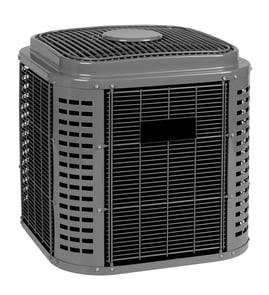
For your York central air conditioner condensing unit, the model number is on the unit’s rating plate; for this page, the model number you want to match is H2DH042S06A. Use the full model number (letters and numbers) when looking up parts or service information.
Where to look on a central AC outdoor unit
On most York condensing units, the rating plate is on the outside cabinet or inside the service/access panel.
Check these common spots:
- Side panel near the refrigerant line connections (copper lines)
- Inside the electrical/control compartment access panel
- Near the compressor area on an interior panel
- On the back side of the cabinet (harder to see if close to a wall)
- Occasionally on the corner post or near the fan grille edge
What to write down (and why)
Record the full information exactly as shown on the label:
- Model number (example: H2DH042S06A)
- Serial number
- Electrical ratings (voltage, phase, minimum circuit ampacity, max fuse/breaker)
- Refrigerant type (for example, R-410A on many systems)
Quick checklist
| Item | What it’s used for | Must match exactly? |
|---|---|---|
| Model number | Correct parts diagrams and compatibility | Yes |
| Serial number | Age and production run details | Yes |
| Electrical ratings | Safe troubleshooting and replacement matching | Yes |
Why it matters
Central air conditioner parts and electrical components (like the contactor, capacitor, fan motor, and pressure switches) are selected by exact model and electrical specs. One character off can point to a different build or component set.
If the label is missing or unreadable
Use these practical options:
- Look for a second label inside the access panel
- Check your installer paperwork or maintenance records
- Search by model number once you confirm it using how to find your appliance model number (and what it means for parts)
Last updated: February 2026
What is the life expectancy of a York AC unit?
Most York central air conditioner condensing units like model H2DH042S06A last 15 to 20 years with normal use and regular maintenance. Units in harsh climates, with poor airflow, or with neglected coil cleaning often trend closer to 10 to 15 years.
Typical lifespan ranges (what to expect)
Here are practical ranges we see for outdoor condensing units:
- 15 to 20 years: Typical for modern, well-maintained systems
- 10 to 15 years: Common when maintenance is inconsistent or conditions are tough
- 8 to 12 years: More likely with chronic refrigerant leaks, electrical issues, or severe corrosion
| Condition | What it usually means for lifespan |
|---|---|
| Clean coils, correct refrigerant charge, good airflow | Longer life, fewer compressor failures |
| Dirty condenser coil, clogged indoor filter, restricted airflow | Higher pressures and heat, shorter life |
| Frequent short cycling or hard starts | More wear on compressor and contactor |
What shortens the life of a York outdoor unit
These issues put extra stress on the compressor, fan motor, and electrical controls:
- Dirty condenser coil (heat cannot leave the system efficiently)
- Restricted indoor airflow (dirty filter, blocked returns, dirty evaporator coil)
- Low refrigerant from a leak (can overheat and damage the compressor)
- Pitted/burned contactor points or a weak run capacitor
- Poor drainage or constant standing water around the base (corrosion)
Maintenance that helps you reach 15 to 20 years
We recommend these basics each season:
- Keep the outdoor coil clean and the area around the unit clear
- Replace or clean the indoor air filter on schedule
- Confirm the condenser fan runs smoothly and quietly
- Watch for ice on the refrigerant lines or oil spots at fittings
- Use safe electrical testing practices when troubleshooting (see how to use a multimeter to test electrical parts video)
Why it matters
Once a condensing unit gets near the end of its expected life, small problems (capacitor, contactor, fan motor) can become more frequent, and compressor failure becomes a bigger risk. Knowing the typical lifespan helps you decide whether to repair now or plan for replacement.
Last updated: February 2026
What size central AC do I need for a 1500 sq ft house?
For a typical 1,500 sq ft home, we size central AC at about 2.5 to 3 tons (roughly 30,000 to 36,000 BTU/hr). Your York H2DH042S06A is commonly in the 3.5-ton class (about 42,000 BTU/hr), which can be oversized for many 1,500 sq ft homes unless the load is high.
Quick sizing rule of thumb (start here)
Most homes land in this range before we account for insulation, windows, and climate:
- 20 BTU per sq ft: efficient home, mild climate
- 25 BTU per sq ft: average home, average climate
- 30 BTU per sq ft: older/less insulated home, hot climate
For 1,500 sq ft, that works out to:
| Rule of thumb | Estimated capacity | Approx. tons |
|---|---|---|
| 20 BTU/sq ft | 30,000 BTU/hr | 2.5 tons |
| 25 BTU/sq ft | 37,500 BTU/hr | 3.0 tons |
| 30 BTU/sq ft | 45,000 BTU/hr | 3.5 to 4.0 tons |
When a 3.5-ton unit makes sense for 1,500 sq ft
A larger condensing unit like the H2DH042S06A can be appropriate when the cooling load is legitimately higher. Common reasons include:
- Very hot climate zone and long cooling season
- Poor attic insulation or significant duct leakage
- Large west-facing windows or lots of glass
- High ceilings, open floor plan, or bonus rooms over a garage
- High internal heat loads (many occupants, cooking, equipment)
Why it matters (comfort, humidity, and cost)
Correct sizing helps your system run long enough to remove humidity and keep temperatures even. Oversizing often causes short cycling, uneven comfort, and higher wear on parts like the compressor, capacitor, and contactor.
Best next step for an accurate answer
We recommend a Manual J load calculation (the industry standard). It accounts for your home’s insulation, windows, orientation, ductwork, and local design temperatures, then matches the right tonnage and airflow.
For help confirming your exact model number before ordering parts or comparing capacities, use how to find your appliance model number (and what it means for parts).
Last updated: February 2026
What is the most expensive part to replace on an AC unit?
In most central AC systems, including the York H2DH042S06A condensing unit, the compressor is typically the most expensive single part to replace because it is the sealed, high-load component that drives refrigerant flow. When a compressor fails, labor and refrigerant-related work often add significantly to the total cost.
What usually costs the most (and why)
The compressor sits at the center of the refrigeration cycle, so a failure can turn into a larger repair scope than a simple electrical swap.
Common high-cost items on a condensing unit include:
- Compressor: highest part cost; often paired with additional system cleanup
- Condenser coil: expensive if damaged or leaking; replacement can be labor-intensive
- Control board or inverter module (on some systems): can be costly when present
- Fan motor: moderate-to-high cost depending on motor type and accessibility
- Contactor and capacitor: usually much cheaper than the items above
Typical cost drivers to expect
Even when the part itself is the main expense, the final bill is usually driven by the work required to do the repair correctly.
- Refrigerant recovery and recharge (when the sealed system is opened)
- Brazing/soldering and leak checks
- Filter drier replacement and evacuation (deep vacuum)
- Electrical diagnostics to confirm the root cause (capacitor, contactor, wiring)
- System age and condition (contamination, acid, moisture)
Quick comparison: expensive vs. usually affordable
| Component | Typical relative cost | Why it matters |
|---|---|---|
| Compressor | Highest | Core of cooling; sealed-system work adds labor |
| Condenser coil | High | Leaks stop cooling; replacement is time-consuming |
| Fan motor | Medium to high | Overheating and high head pressure if it fails |
| Capacitor/contactor | Low to medium | Common failures; often quick fixes |
Why it matters
If the compressor is the failure point, we treat it as a “system health” check, not just a part swap. A misdiagnosed compressor can lead to repeat failures if the real issue is airflow, electrical problems, or contamination.
DIY note (safety and practicality)
Because compressor and refrigerant work involves high voltage and sealed-system refrigerant handling, we recommend having a qualified technician diagnose and repair those failures.
For basic electrical checks that are often part of AC troubleshooting, use: how to use a multimeter to test electrical parts video.
Last updated: February 2026
Can I replace AC spare parts myself?
Yes, you can replace some parts on your York H2DH042S06A condensing unit yourself, but only for non-refrigerant, non-high-voltage tasks. Anything involving refrigerant lines, the compressor, or major electrical diagnostics should be handled by a qualified HVAC technician for safety and system reliability.
What you can usually do yourself (lower risk)
These tasks are common DIY wins when you follow safe shutoff steps and use basic tools:
- Replace or tighten the outdoor disconnect fuses (if your setup uses fuses)
- Replace a worn condenser fan blade (after confirming the motor shaft is secure)
- Replace the condenser fan motor capacitor (only if you can safely discharge and match ratings)
- Clean debris from the condenser coil and straighten lightly bent fins
- Replace a damaged low-voltage thermostat wire run (if accessible and clearly labeled)
What we recommend leaving to a pro
Central AC condensing units combine high voltage, stored electrical energy, and pressurized refrigerant. These repairs are not DIY-friendly:
- Refrigerant recovery, leak repair, evacuation, and recharging
- Compressor replacement
- Brazing/soldering refrigerant lines
- Diagnosing control board failures when wiring is unclear
- Replacing the contactor if you are not comfortable verifying line/load voltage
Quick safety checklist before you touch anything
- Turn off power at the breaker and the outdoor disconnect
- Verify power is off with a meter before handling wires
- Discharge capacitors properly before removing terminals
- Take a clear photo of wiring before disconnecting anything
- If you see burnt wiring, melted insulation, or oil residue near refrigerant lines, stop
DIY decision guide
| Task type | Typical DIY difficulty | Risk level | Best approach |
|---|---|---|---|
| Cleaning coil, clearing debris | Low | Low | DIY maintenance |
| Capacitor or fan blade swap | Medium | Medium | DIY only with meter skills |
| Contactor, motor, wiring diagnosis | Medium to high | High | Technician recommended |
| Refrigerant-side repairs | High | Very high | Technician only |
Why it matters
On the H2DH042S06A, a simple maintenance issue (dirty coil, loose electrical connection) can look like a major failure. Doing the right DIY tasks can restore cooling and efficiency, but the wrong repair can damage the compressor or create a shock hazard.
For general DIY readiness and safety basics, use our guide: are diy appliance repairs safe.
Last updated: February 2026