- Kenmore refrigerator water filters
- Whirlpool refrigerator water filters
- Samsung refrigerator water filters
- GE refrigerator water filters
- LG refrigerator water filters
- Frigidaire refrigerator water filters
- KitchenAid refrigerator water filters
- Maytag refrigerator water filters
- Kenmore Elite refrigerator water filters
- Estate refrigerator water filters
- GE Profile refrigerator water filters
- Amana refrigerator water filters
- Bosch refrigerator water filters
- Dacor refrigerator water filters
- Electrolux refrigerator water filters
Top DIY repair help
View All Repair Categories
Appliances
Lawn & Garden
Power Tools
Home Improvement
Sports & Leisure
Heating & Cooling
Why your trimmer line keeps breaking or unspooling
less than a minute readJul 09Lyle Weischwill
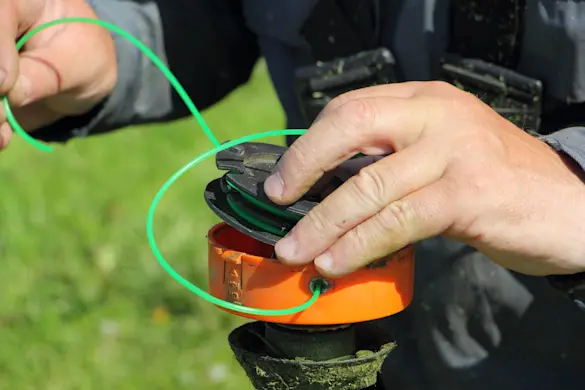
Nothing turns routine lawn care into a dreaded chore faster than trimmer line that keeps snapping or unspooling. Why does your trimmer line break so often? Why won’t it stay put when you need it to? Why is it so frustrating to get a simple job done?
Believe it or not, these are common problems with clear, practical fixes. With a few quick checks and adjustments, you can keep your trimmer line intact.
If you’re facing ongoing issues, our line trimmer repair help page has step-by-step guides and troubleshooting tips to keep your trimmer in top shape.
Why your trimmer line keeps breaking
Frequent line breaks are one of the most common frustrations when using a line trimmer, but the causes are often simple (and preventable).
Contact with hard surfaces: Accidentally hitting fences, rocks, tree trunks, or concrete will snap the line quickly. Even brief taps against these surfaces can weaken the line and cause it to break under tension.
Wrong type or size of line: Using a line that’s too thin for your trimmer or for heavy grass and weeds will cause it to snap easily. Check your trimmer’s manual for the recommended line diameter and type for the work you’re tackling.
Brittle line from age or heat: Trimmer line can become brittle if it’s old, has been stored in a hot shed, or has dried out over time. Brittle line is much more likely to snap, especially during heavy use.
Trimming technique: Holding the trimmer at the wrong angle or using it to “whack” thick stalks aggressively can put extra strain on the line, causing it to break. Let the tip of the line do the work, and avoid forcing the trimmer through thick patches.
These quick checks can help you identify why your trimmer line keeps breaking and set you up for the practical fixes.
Why your trimmer line keeps coming out
If your trimmer line keeps unspooling or shooting out when you bump the head, it’s not just annoying; it wastes line and interrupts your yard work.
Here are the most common reasons your trimmer line keeps coming out:
Damaged or worn trimmer head: Cracks or wear on the trimmer head can prevent it from holding the line securely, causing it to slip or unspool during use.
Improper winding on the spool: If the line isn’t wound evenly or tightly enough, it can tangle, overlap, or pop out when the trimmer is in motion.
Incorrect installation or incompatible line: Using the wrong diameter or type of line for your trimmer can prevent the head from holding it properly, leading to frequent unspooling.
Spring or cap issues inside the trimmer head: A worn or missing spring can cause the line to feed out too easily, while a damaged cap may not hold the spool firmly in place.
Checking these potential issues can help you pinpoint why your trimmer line keeps coming out, so you can fix it and get back to trimming without constant interruptions.
How to prevent trimmer line breaks
Constantly replacing broken trimmer line not only slows your yard work; it gets expensive over time. A few adjustments can help you keep your line intact longer:
Use the correct line type and diameter: Check your trimmer’s manual for the recommended line diameter and type. Using line that’s too thin for heavy trimming or too thick for your model can cause jams, excessive wear, or frequent breakage.
Avoid hitting hard surfaces: Concrete, fences, rocks, and landscaping borders can shred your line in seconds. When trimming near hard surfaces, approach slowly and angle the trimmer so the tip of the line does the work, not the full length.
Replace old or brittle line: Trimmer line can degrade over time, especially if stored in heat or sunlight. Old line becomes brittle and snaps easily, even under normal trimming conditions. Replace your line if it’s been on the spool for a while or shows signs of cracking.
Consider reinforced or heavy-duty line for tougher jobs: If you regularly tackle thick weeds or overgrown areas, switching to a reinforced or heavy-duty trimmer line compatible with your model can reduce breaks and improve cutting efficiency. You can find replacement trimmer line and other line trimmer accessories to match your trimmer for these tougher jobs.
Making these small changes can extend the life of your trimmer line, letting you spend less time reloading and more time getting your yard work done efficiently.
How to stop your trimmer line from unspooling
If your trimmer line keeps coming out too fast (or tangles and jams) it’s often due to issues with the trimmer head or how the line is loaded. Here’s how to keep it secure:
Check and replace worn trimmer head components: Over time, the eyelets, springs, and bump knobs on your trimmer head can wear down, causing the line to feed out too easily or unevenly. Inspect these parts and replace them if you see damage or excessive wear.
Ensure correct winding direction and tension on the spool: Most trimmers require the line to be wound in a specific direction (usually indicated on the spool). Winding in the wrong direction can cause the line to unspool during operation. Keep the line taut and evenly wound, avoiding loose loops that can slip and tangle.
Clean the trimmer head: Dirt, debris, and grass clippings can build up inside the trimmer head, interfering with the line’s tension and causing jams or uncontrolled feeding. Disassemble and clean the head periodically to keep it working smoothly.
Check for cap and spring damage: The spring inside the trimmer head controls line tension, while the cap keeps everything secure. A worn or broken spring can prevent proper tension, while a cracked cap may fail to hold the spool in place. Replace these parts if they’re damaged to restore reliable line feeding.
With these checks and adjustments, you can stop your trimmer line from unspooling unexpectedly, ensuring your line feeds correctly while you trim.
When to replace your trimmer head
Even with proper line choice and careful winding, a worn-out trimmer head can keep causing problems. Here’s how to know it’s time for a replacement:
Frequent line breaks despite proper use: If you’re using the correct line type and trimming properly but the line still snaps often, internal wear in the trimmer head may be causing friction or improper feeding.
Line feeds improperly or jams regularly: If the line unspools too quickly, feeds unevenly, or jams repeatedly even after cleaning and rewinding, the trimmer head’s components may be worn or damaged.
Visible cracks, excessive wear, or missing parts: Check for cracks in the housing, worn eyelets, or damaged springs and caps. These issues can lead to persistent unspooling or uneven feeding and often indicate the head needs replacement.
Replacing a damaged trimmer head can save time, reduce frustration, and restore your trimmer’s cutting efficiency, letting you get back to maintaining clean edges and tidy lawns without constant interruptions.
If your trimmer head needs replacement, it’s a good time to stock up on fresh trimmer line to keep your trimmer performing its best.
A few minutes spent fixing the root cause now means less time fighting your trimmer and more time getting the job done, so you can get your yard looking sharp and move on with your day. If your trimmer continues to act up, visit our line trimmer repair help page for troubleshooting steps and DIY repair guides.